
フィルター
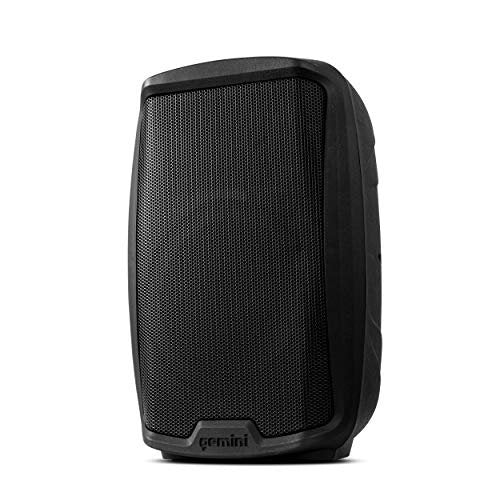
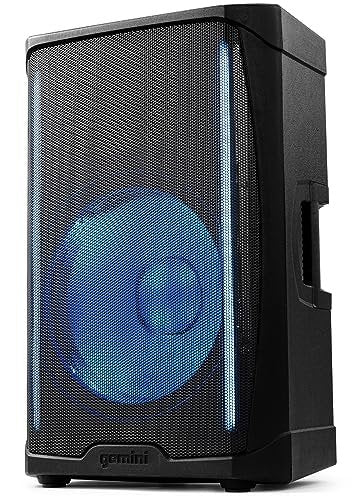
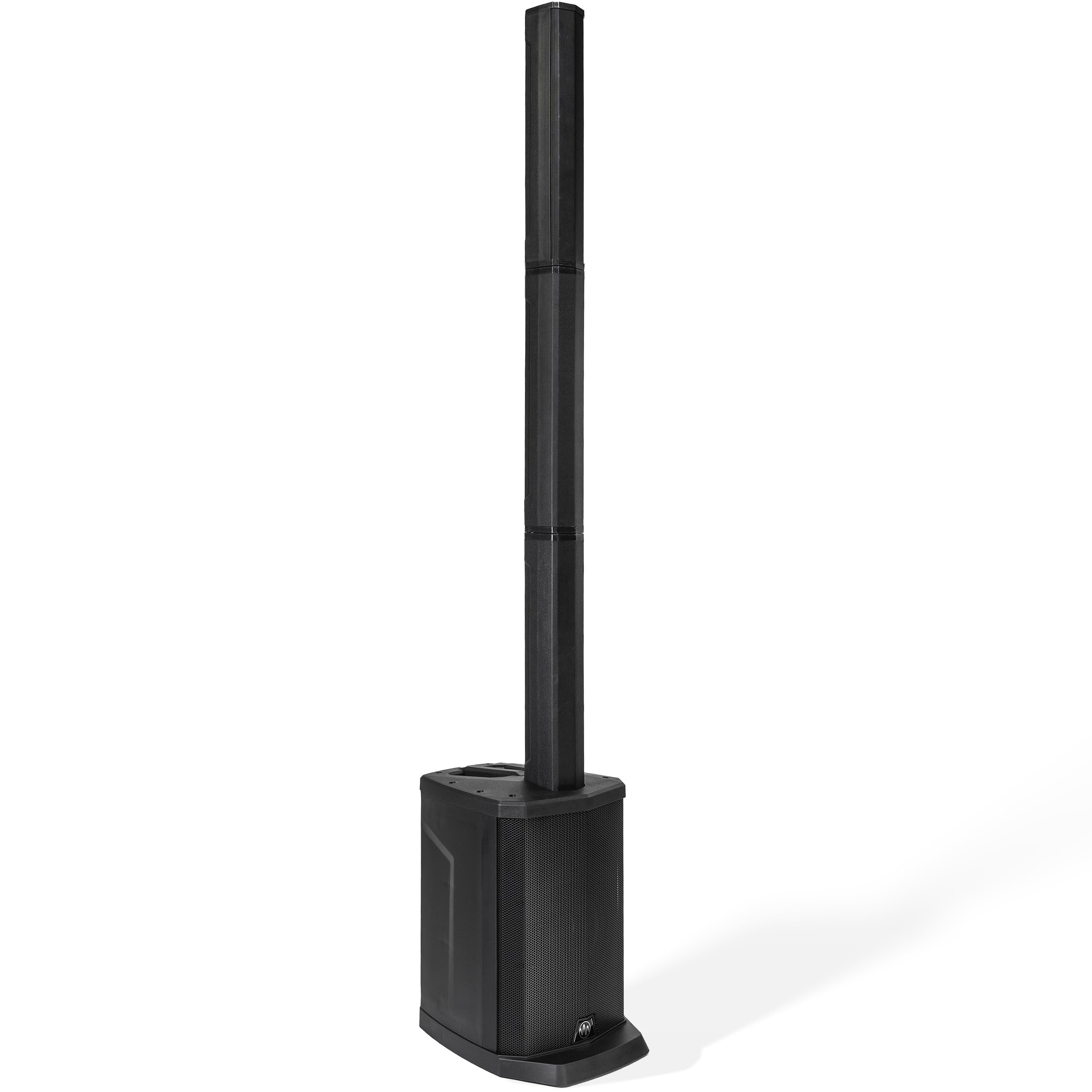
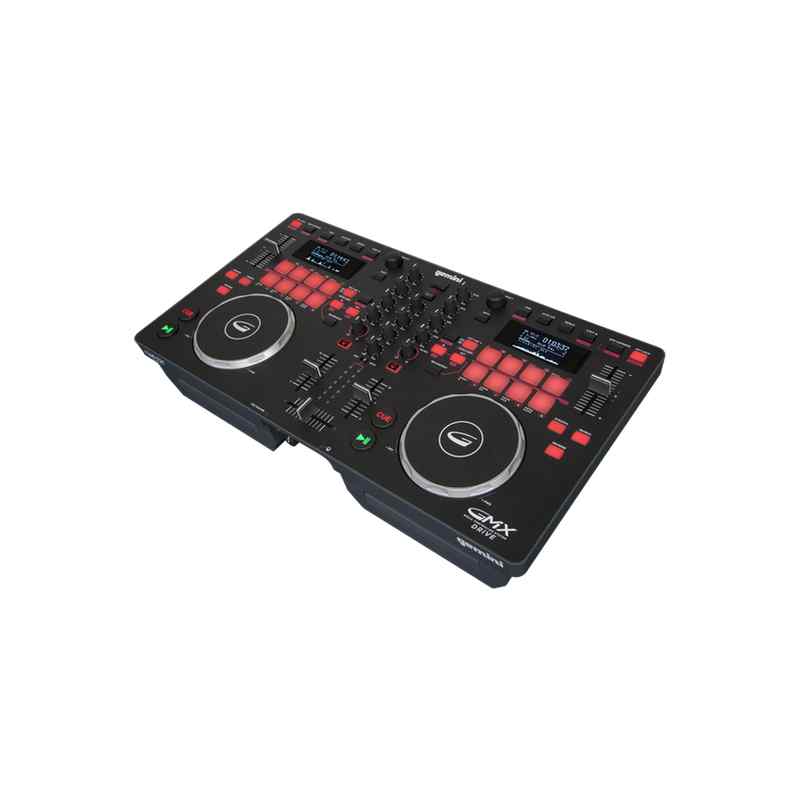
XLR Output Audio Equipment & Interfaces
XLR Output Audio Equipment
Professional audio gear featuring XLR output connections delivers balanced, low-noise signal transmission essential for studio recording, live sound reinforcement, and broadcast applications. XLR outputs provide superior interference rejection over long cable runs and maintain signal integrity in demanding professional environments.
XLR (External Line Return) connectors are the industry standard for professional audio, offering three-pin balanced connections that reduce electromagnetic interference and radio frequency noise. Equipment with XLR outputs connects seamlessly to mixing consoles, powered speakers, recording interfaces, and other professional audio gear.
Applications for XLR Output Devices
Recording studios rely on XLR outputs for connecting preamps, audio interfaces, and monitor controllers to maintain clean signal paths. Live sound systems use XLR connections between stage boxes, mixers, and powered loudspeakers for reliable performance. Broadcast facilities depend on XLR connectivity for microphone feeds, program distribution, and remote broadcasts.
Audio interfaces with XLR outputs enable direct connection to studio monitors and external processors. Microphone preamps with XLR outputs send amplified signals to recording systems or mixing consoles. Headphone amplifiers featuring XLR outputs provide balanced connections to high-end monitoring systems.
Technical Specifications
XLR outputs typically deliver balanced audio signals at line level (+4 dBu professional standard) or microphone level, depending on the device type. Three-pin configuration includes pin 1 (ground/shield), pin 2 (positive/hot), and pin 3 (negative/cold). Impedance ratings generally range from 50 to 600 ohms for outputs, ensuring compatibility with standard professional audio equipment.
Build quality matters for XLR connectors—metal-bodied Neutrik connectors offer superior durability and shielding compared to plastic alternatives. Gold-plated contacts resist corrosion and maintain optimal signal transfer over extended use.