Passer au contenu

Panier

Votre panier est vide

Best DJ Equipment for Club DJs - Professional Grade Gear

Trier par

6 produits

Filtres

Best DJ Equipment for Club DJs - Professional Grade Gear

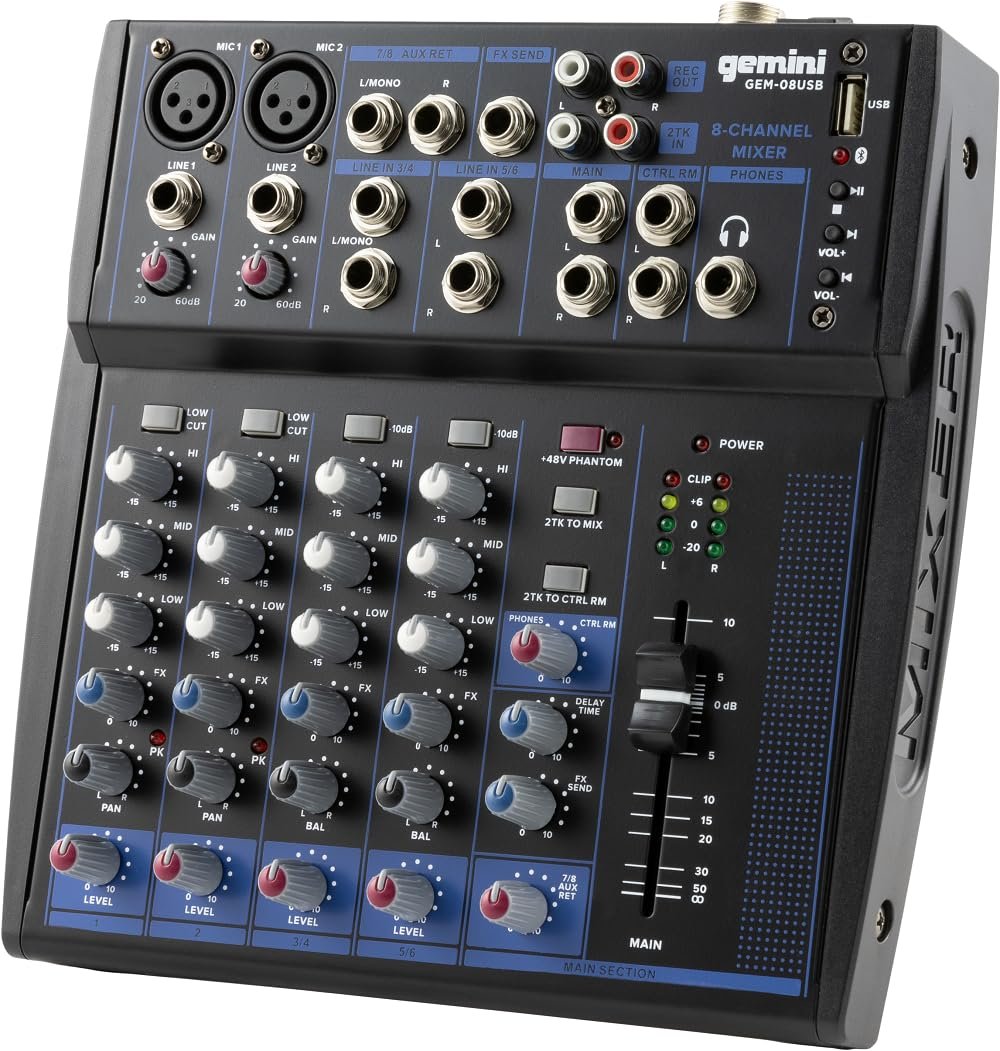
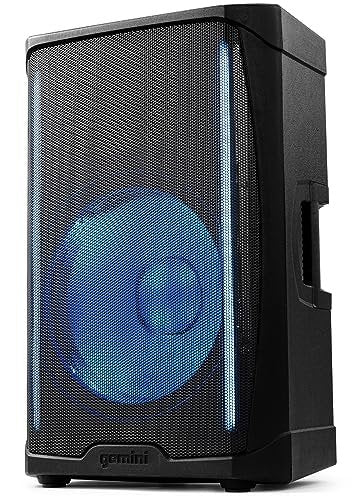
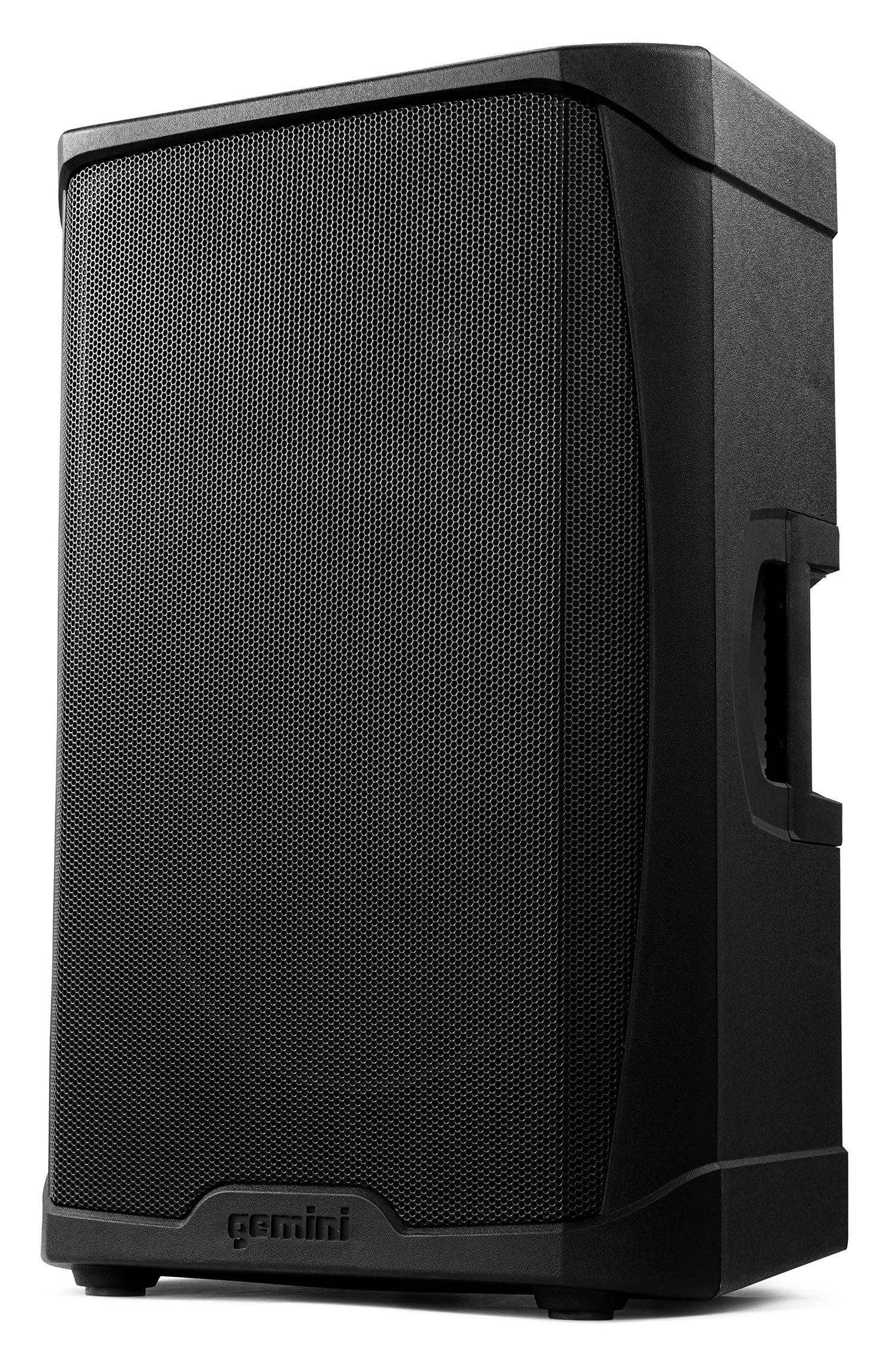
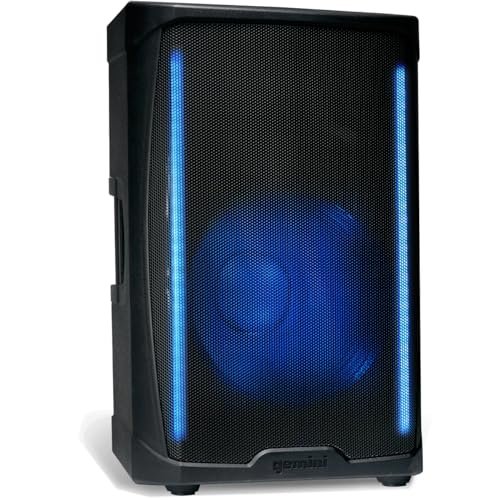
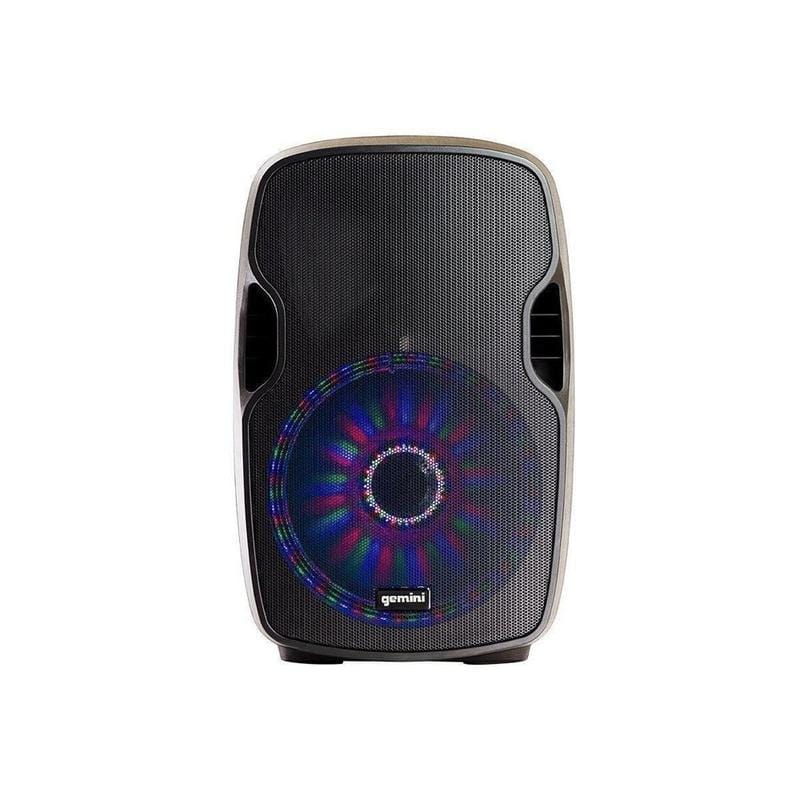
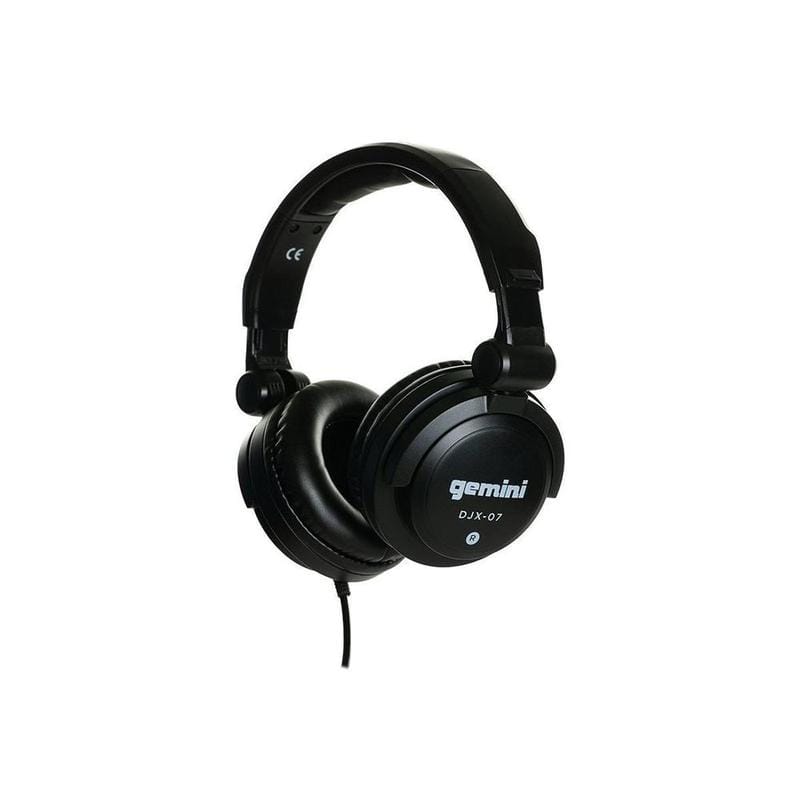
Elevate your club performances with professional-grade DJ equipment designed for the demands of live venue environments. This curated collection features essential gear that professional club DJs rely on night after night—from powerful PA speaker systems that fill dancefloors with crystal-clear sound to precision-engineered headphones that let you beatmatch flawlessly in the loudest venues. Whether you're a resident DJ building your first professional setup or an experienced performer upgrading your equipment, you'll find everything needed to deliver unforgettable sets that keep crowds moving until closing time. Our selection includes high-wattage Bluetooth PA speakers with LED lighting effects that transform any space into an immersive audio-visual experience, professional multi-channel mixers that offer the flexibility to handle any input source, and studio-quality headphones engineered for accuracy and comfort during extended performances. Each piece of equipment in this collection meets the rigorous standards of professional club environments—delivering the power, reliability, and sound quality that separate amateur setups from professional installations. Invest in gear that enhances your technical capabilities, expands your creative possibilities, and ensures your reputation for delivering exceptional performances remains uncompromised.

Key Takeaways

  • Professional club DJ setups require high-wattage PA speakers (1000W+) to fill large venues with clear, powerful sound
  • Quality DJ headphones with 50mm drivers and noise isolation are essential for accurate beatmatching in loud club environments
  • Multi-channel mixers with Bluetooth connectivity offer versatility for various audio sources and backup options during live performances
  • LED lighting integration in speaker systems creates immersive visual experiences that enhance crowd engagement and energy

What should you look for in professional club DJ equipment?

When selecting professional club DJ equipment, prioritize power output, durability, and versatility. For speakers, look for systems delivering at least 1000W with Class-D amplification for efficient, distortion-free sound at high volumes. The speaker size matters—15-inch woofers provide the deep bass response essential for club environments. Connectivity options are crucial; Bluetooth capability allows seamless integration with various devices while maintaining professional audio quality. For headphones, seek 50mm drivers or larger for accurate sound reproduction, closed-back designs for noise isolation, and comfortable cushioning for extended sets. Mixers should offer multiple channels (8+ recommended) to handle various input sources, USB connectivity for digital integration, and intuitive controls for quick adjustments during live performances. LED lighting features in speakers add visual impact that transforms the atmosphere and keeps crowds engaged throughout your set.

How do you choose the right DJ setup for club performances?

  • Assess venue size and acoustics: Larger clubs require higher wattage speakers (1300W+) and potentially multiple speaker configurations, while smaller venues work well with 500-1000W systems
  • Consider portability versus power: Professional club DJs need equipment that balances robust construction with reasonable transport weight, especially for mobile gigs across multiple venues
  • Evaluate your mixing style: Digital DJs benefit from Bluetooth-enabled mixers and speakers for laptop integration, while traditionalists may prioritize analog inputs and direct control features
  • Budget for complete ecosystem: Invest in compatible equipment that works together seamlessly—matching your mixer channels to your input needs and ensuring speaker power matches your venue requirements
  • Prioritize reliability features: Look for equipment with thermal protection, reinforced construction, and proven durability since equipment failure during a club set can damage your professional reputation

Frequently Asked Questions

What DJ equipment do clubs use?
Professional clubs typically use industry-standard equipment including Pioneer CDJ media players (CDJ-2000 or CDJ-3000), a DJM mixer (usually DJM-900 or DJM-A9), and high-powered PA speaker systems. The speaker setup often includes multiple components: main PA speakers (1000W+ per side), subwoofers for deep bass, and monitor speakers for the DJ booth. Many clubs also provide professional DJ headphones, though experienced DJs often bring their own preferred models. Modern club setups increasingly include Bluetooth connectivity and USB inputs for versatility. The audio system connects to a professional mixer with multiple channels (typically 8-16 channels) to accommodate various input sources. Lighting systems with LED effects are standard in contemporary clubs, often integrated with or complementing the sound system. Club equipment emphasizes reliability, power output, and sound quality to maintain consistent performance throughout long operating hours and deliver the immersive experience that club-goers expect.
What is the rule of 32 in DJing?
The rule of 32 in DJing refers to the fundamental structure of most electronic dance music, where tracks are organized in 32-beat phrases (or 8-bar phrases, since each bar contains 4 beats). This rule helps DJs execute seamless transitions and perfect mixing. Understanding this structure allows you to identify when major changes occur in a track—typically every 32 beats, elements are added or removed, such as basslines dropping in or out, vocals starting, or breakdowns occurring. When beatmatching and mixing, DJs use this 32-beat structure to time their transitions, often starting the incoming track at the beginning of a 32-beat phrase and completing the transition at the end of another phrase. This creates smooth, musical blends that feel natural to dancers. Experienced club DJs count these phrases instinctively, which helps them anticipate track changes, plan their mixes in advance, and maintain energy flow on the dancefloor. Mastering the rule of 32 is essential for professional club DJing, as it ensures your transitions align with the musical structure rather than occurring at awkward moments that disrupt the groove.
Is $100 an hour good for a DJ?
$100 per hour is a reasonable rate for intermediate DJs, though professional club DJ rates vary significantly based on experience, location, venue type, and reputation. Entry-level club DJs might earn $50-75 per hour, while experienced resident DJs at established clubs typically command $100-200 per hour. High-profile DJs and headliners can charge thousands per performance. When evaluating DJ rates, consider that the hourly rate only reflects performance time—professional DJs invest significant unpaid hours in music research, playlist curation, equipment maintenance, and travel. Geographic location heavily influences rates; DJs in major metropolitan areas like New York, Los Angeles, or Miami typically earn more than those in smaller markets. The venue type also matters—upscale nightclubs, corporate events, and weddings generally pay more than bar gigs or private parties. Additionally, consider whether the rate includes equipment provision; if you're supplying your own professional PA system, mixer, and lighting, you should charge premium rates to cover equipment costs and depreciation. As you build your reputation, develop a unique style, and cultivate a following, you can progressively increase your rates to reflect your value and expertise in the competitive club DJ market.
What DJ software do most clubs use?
Most professional clubs use Rekordbox DJ or Serato DJ Pro as their primary DJ software platforms, with Rekordbox being the most prevalent due to its integration with Pioneer DJ equipment—the industry standard in club installations. Rekordbox allows DJs to prepare tracks at home, create playlists, set cue points, and analyze BPM, then seamlessly transfer this preparation to club CDJ systems via USB drives. Serato DJ Pro is the second most popular choice, favored by DJs who prefer its workflow and interface, particularly those using Serato-compatible controllers or turntables with DVS (Digital Vinyl System). Some clubs also accommodate Traktor Pro, especially in electronic music venues, though it's less common than Rekordbox or Serato. Virtual DJ has a presence in smaller venues and mobile DJ setups but is less common in professional club environments. Many modern clubs support multiple platforms, allowing guest DJs to use their preferred software. The key consideration for club DJs is ensuring your software choice is compatible with the venue's hardware setup. Most professional club DJs maintain proficiency in at least Rekordbox to ensure they can perform confidently in any club environment, regardless of the installed equipment configuration.
What is the best speaker configuration for club DJs?
The best speaker configuration for club DJs depends on venue size, but a professional setup typically includes main PA speakers with at least 1000W power output per side, positioned to provide even coverage across the dancefloor. For small to medium clubs (capacity under 200), a pair of 1000W 15-inch powered speakers like the GD-115BT provides sufficient power and bass response. Medium to large venues benefit from 1300W systems such as the GD-L215PRO, which deliver greater headroom and clarity at higher volumes. The most effective configurations elevate speakers on stands or mount them on walls to project sound over the crowd rather than into bodies that absorb sound energy. Adding LED lighting integration, as found in the GD-L115BT and GD-L215PRO models, creates visual impact without requiring separate lighting equipment. For comprehensive coverage in larger spaces, consider supplementing main speakers with additional fill speakers or subwoofers to reinforce low frequencies. Monitor speakers in the DJ booth are essential for accurate mixing, allowing you to hear your mix clearly without relying solely on the main PA system. Bluetooth connectivity in modern PA speakers provides backup options and versatility for various audio sources, ensuring you can adapt to technical challenges during live performances.

Sources

  • The Ultimate Guide to the Best DJ Setups in 2025 for any Budget! — wearecrossfader.co.uk
  • The 7 Best DJ Controllers For 2025 — www.digitaldjtips.com
  • Gifts for DJs: Holiday Buyer's Guide 2025 - The DJ Hookup — thedjhookup.com
  • Holiday Buyer's Guide for DJs (2025) — www.youtube.com
  • — www.reddit.com