



Los mejores micrófonos para creadores de contenido y podcasters
Si grabas videos, haces entrevistas, presentas o transmites en vivo, el micrófono que más te ayuda es el que te da libertad de movimiento y mantiene tus manos libres. Eso es lo que Gemini Sound ofrece aquí: sistemas de micrófono inalámbrico para creadores de contenido, no micrófonos de escritorio que te atan a un soporte. Cada sistema combina un transmisor (de mano, de diadema o lavalier de clip) con un receptor que se conecta directamente a una cámara, mezclador, interfaz o PA, para que tu voz se escuche nítida mientras trabajas.
Cómo elegir el adecuado
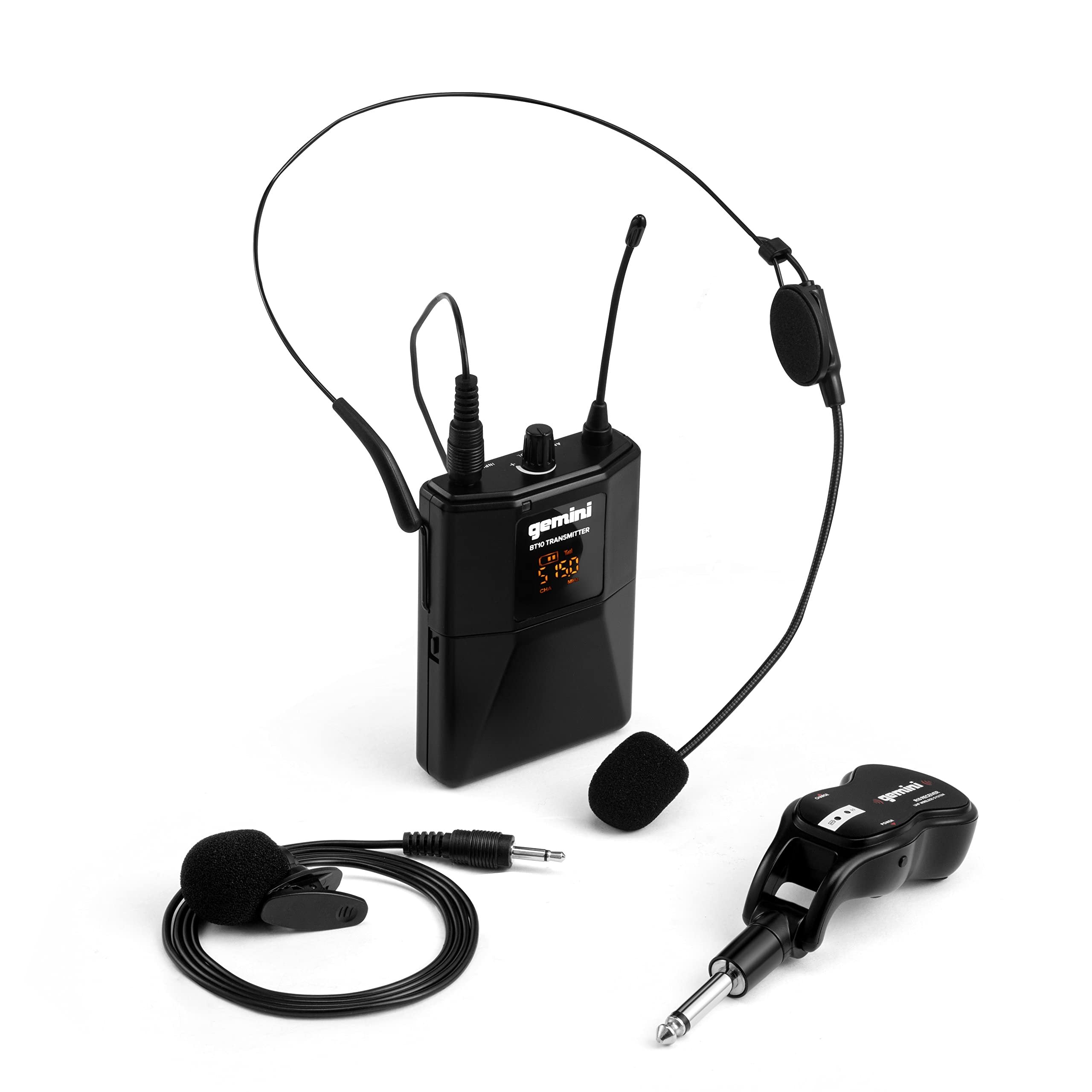
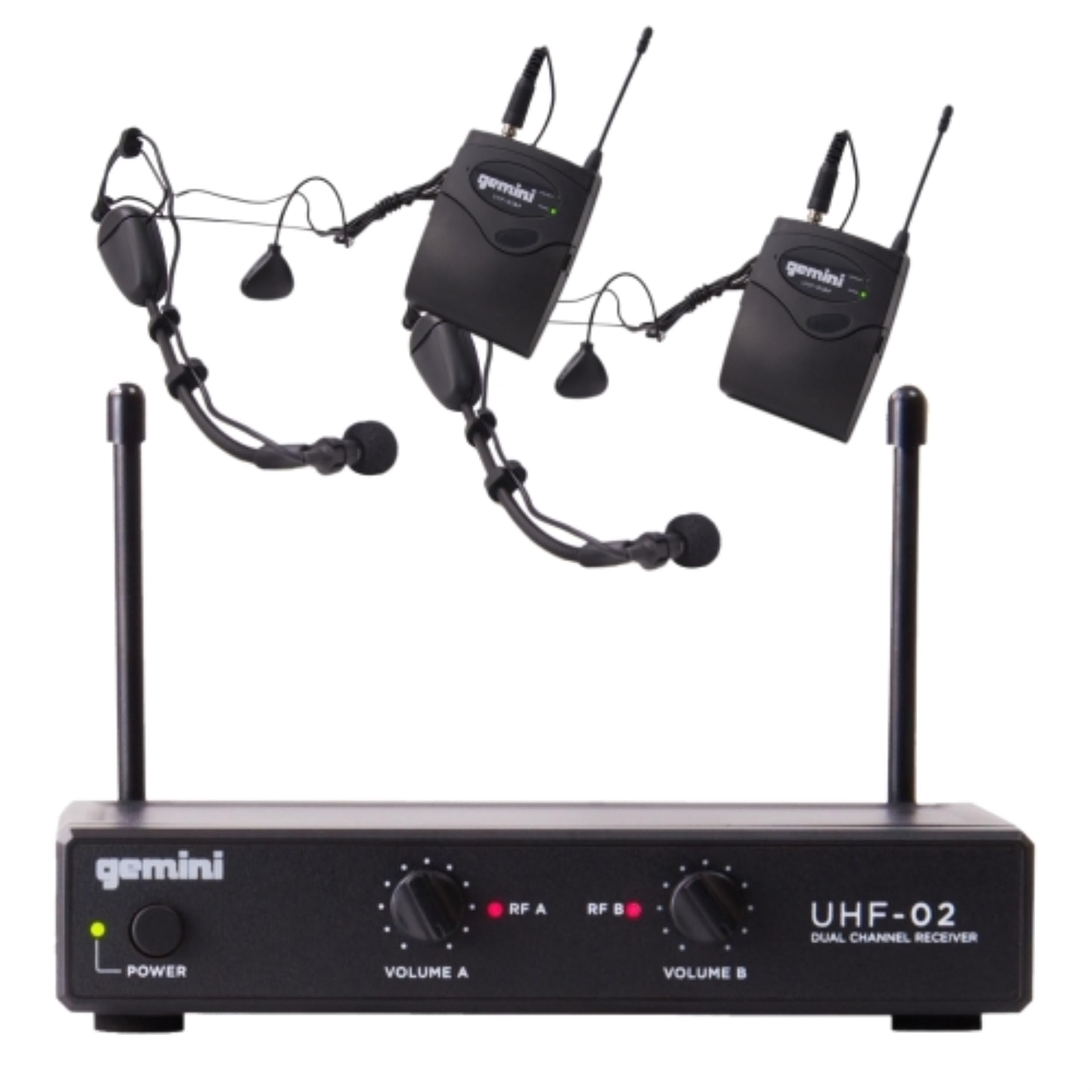
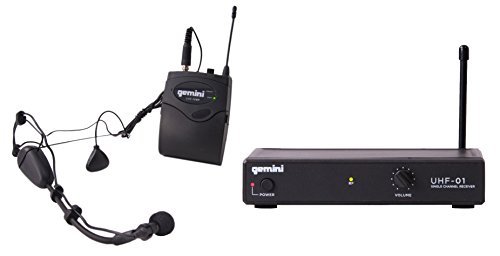
- Video tipo talking-head, vlogs y presentaciones: un sistema de diadema o lavalier mantiene el micrófono sobre ti y fuera del encuadre. Mira el GMU-HSL100 o el UHF-01HL.
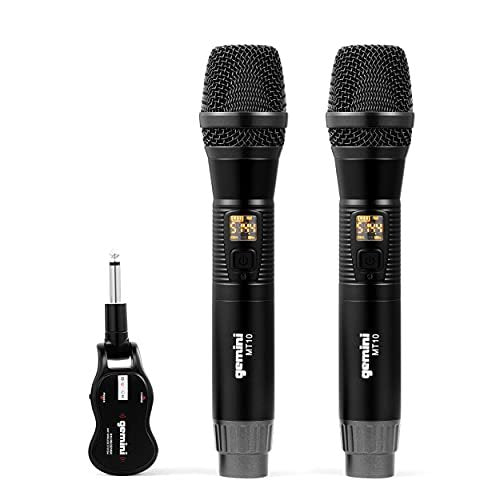
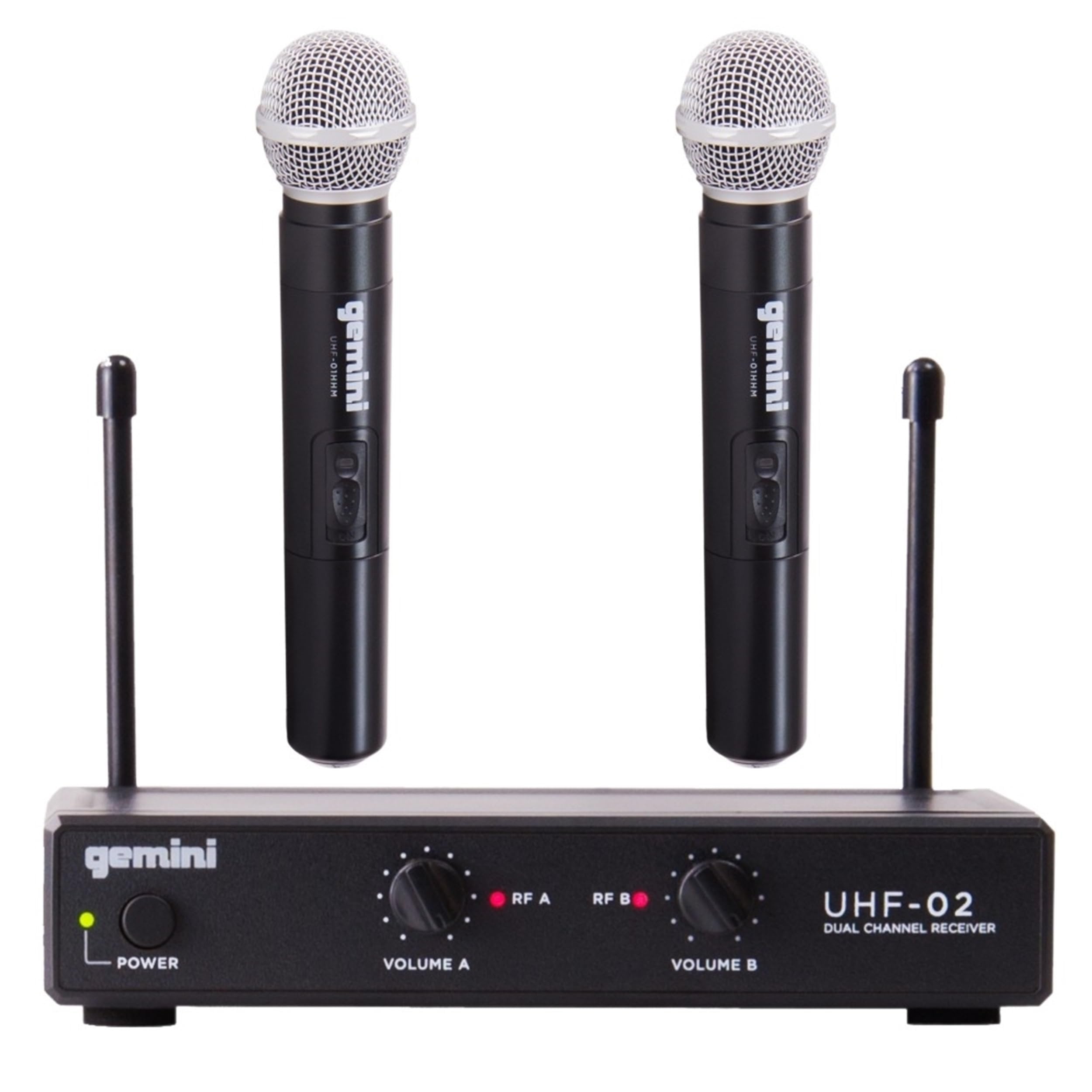
- Entrevistas y grabaciones de dos personas: un sistema doble te da dos micrófonos en un solo receptor. El GMU-M200 y el UHF-02M cubren esto.
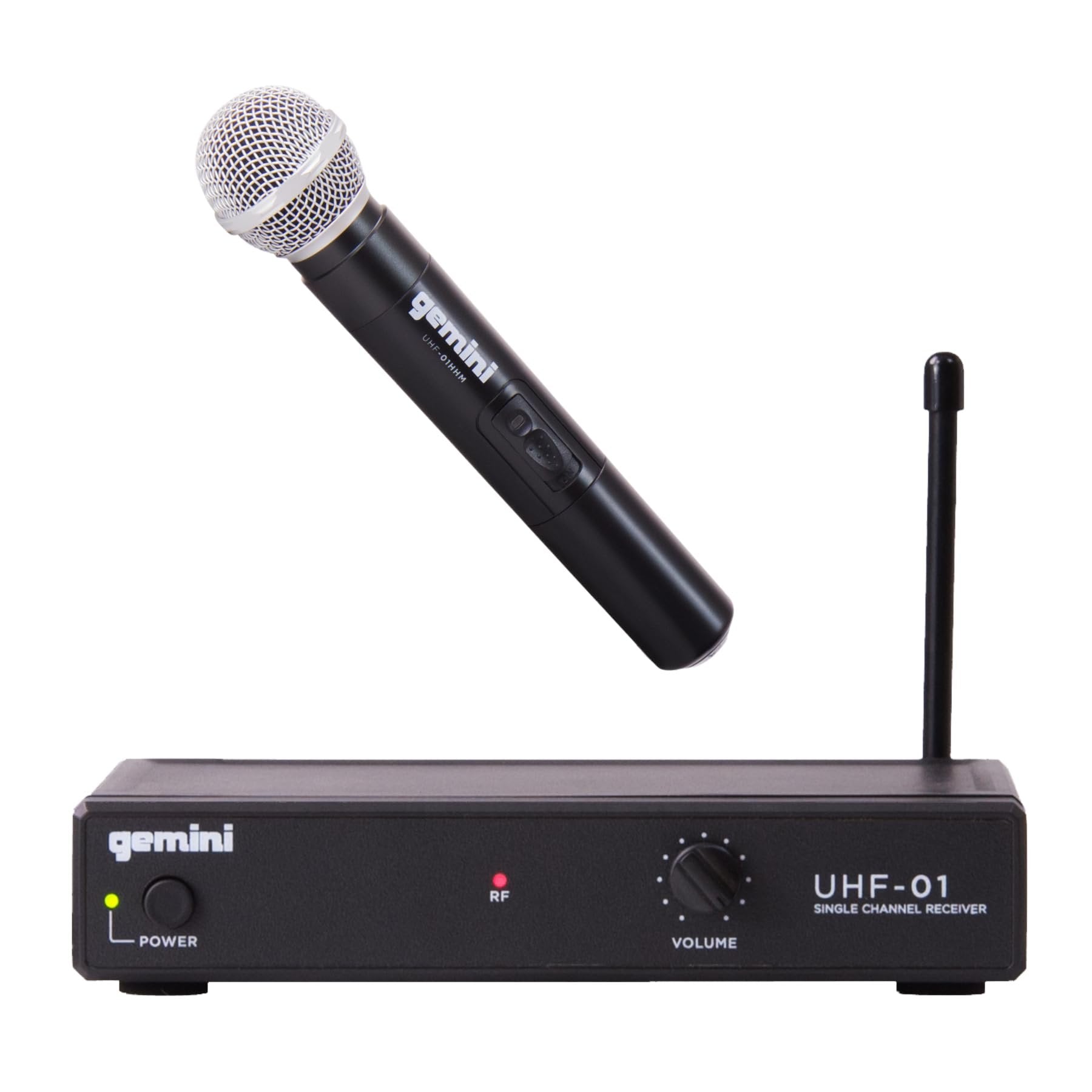
- Escenario, eventos y grabación en movimiento: un sistema de mano es sencillo y resistente. El GMU-M100 es un punto de partida fácil.
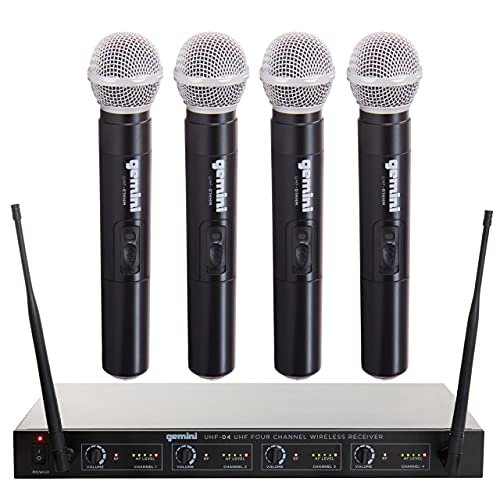
- Mayor alcance y RF concurrida (conferencias, salas grandes): da el salto a un sistema UHF con frecuencias seleccionables, como el UHF-6100HL o el UHF-6200HL.
Qué revisar antes de comprar
- Alcance: estos sistemas van desde unos 150 ft hasta 240 ft en línea de visión directa, así que elige según la distancia a la que te mueves del receptor.
- Duración de la batería: los sistemas recargables te dan una sesión completa de grabación o evento con una sola carga, con hasta 10 horas en la serie GMU.
- Salidas: una salida de 1/4" se conecta a la mayoría de mezcladores, interfaces y PAs. Revisa la entrada de tu cámara o grabador y consigue el adaptador que necesitas.
- Tipo de transmisor: de mano para entrevistas y escenario, de diadema o lavalier para video manos libres y presentaciones.
Los sistemas inalámbricos aquí comienzan en $49.95, y cada pedido de Gemini Sound incluye garantía de 1 año y soporte con sede en EE. UU. Llevamos fabricando equipos de audio desde 1974. Si no estás seguro de qué sistema encaja con tu configuración, contáctanos y te ayudaremos a encontrarlo.