Skip to content

Cart

Your cart is empty

Best Microphones for Content Creators and Podcasters

Sort by

16 products

Filters

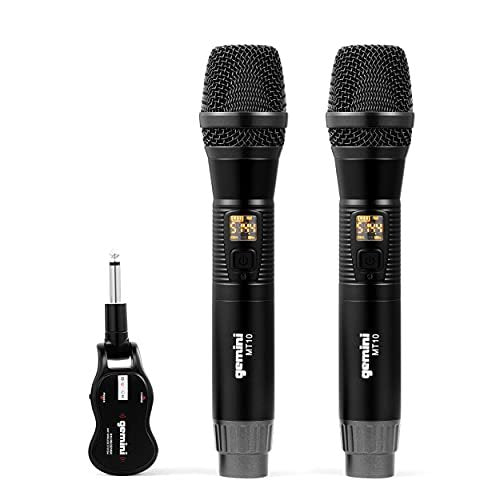
Gemini Sound GMU-M200 UHF dual wireless microphone system — 2 dynamic handhelds, 50m+ range, 10-hour mic battery
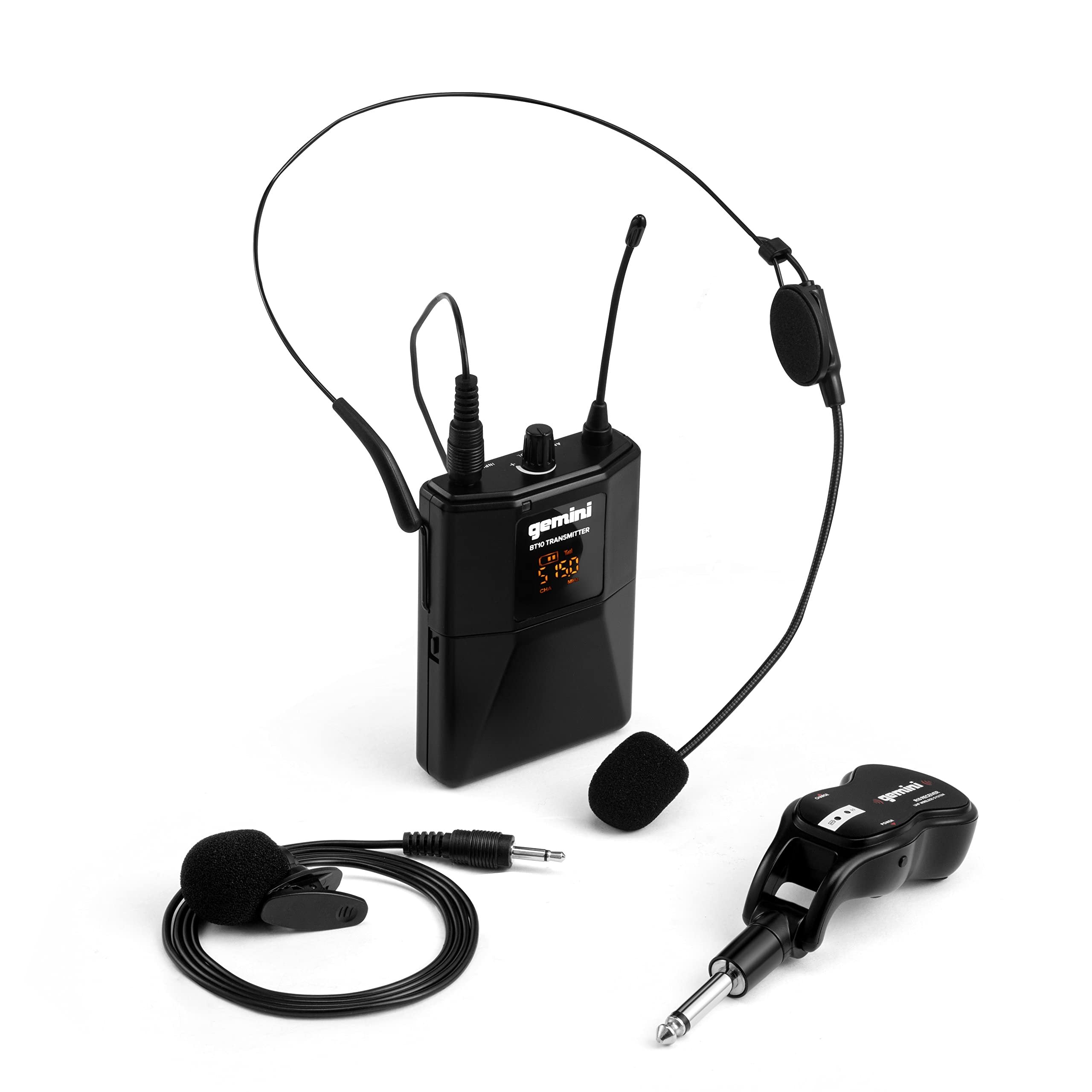
Gemini Sound GMU-HSL100 UHF wireless headset and lavalier mic system — over 50m range, 1/4" output, USB rechargeable receiver
Gemini Sound GMU-M100 UHF wireless microphone system — 50m+ range, 10-hr mic battery, USB rechargeable
Gemini Sound Wireless Systems & Accessories
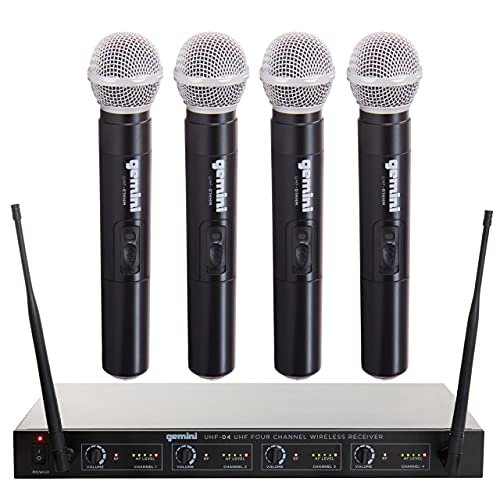
Gemini Sound UHF-04M wireless microphone system with 4 handheld mics and receiver for DJ and karaoke use
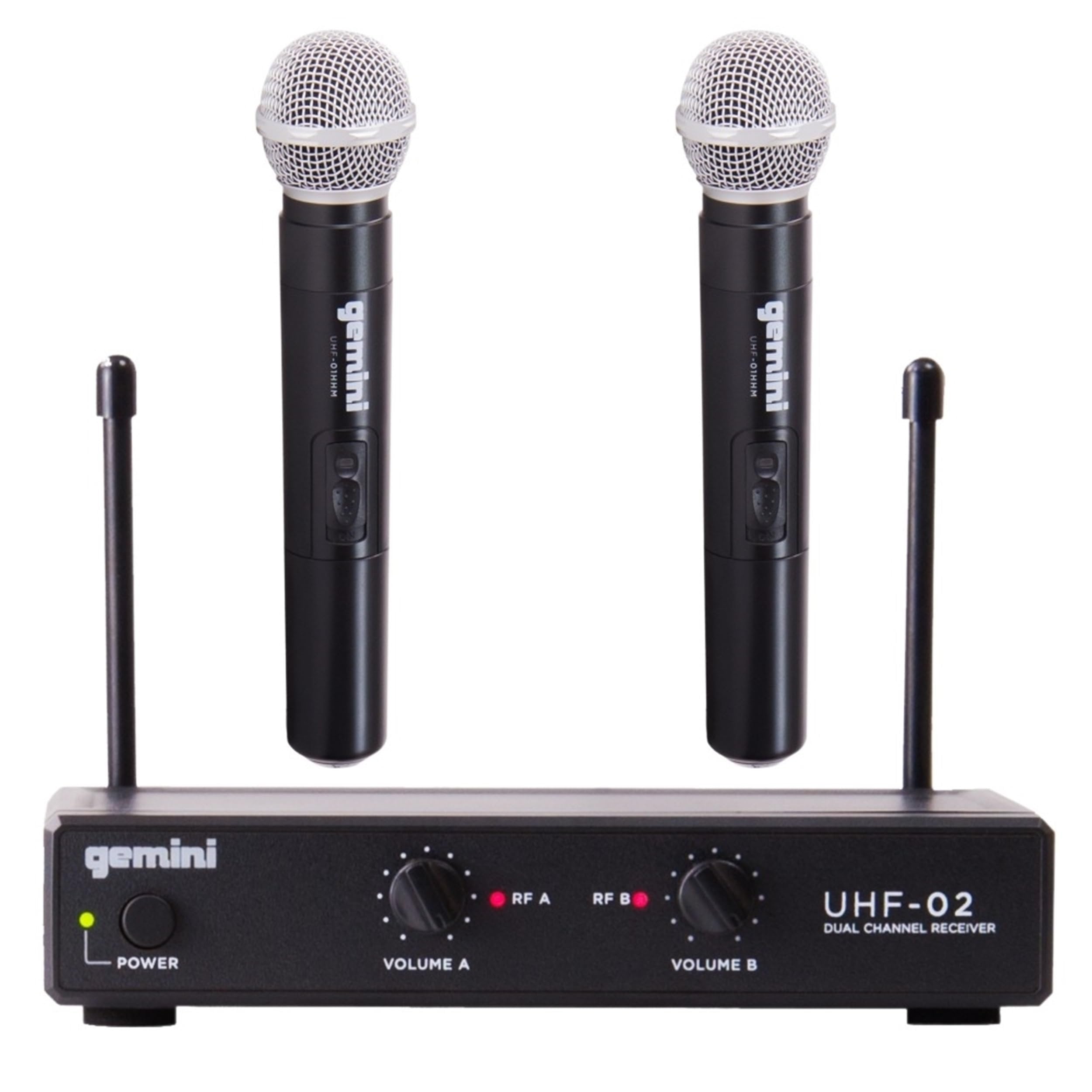
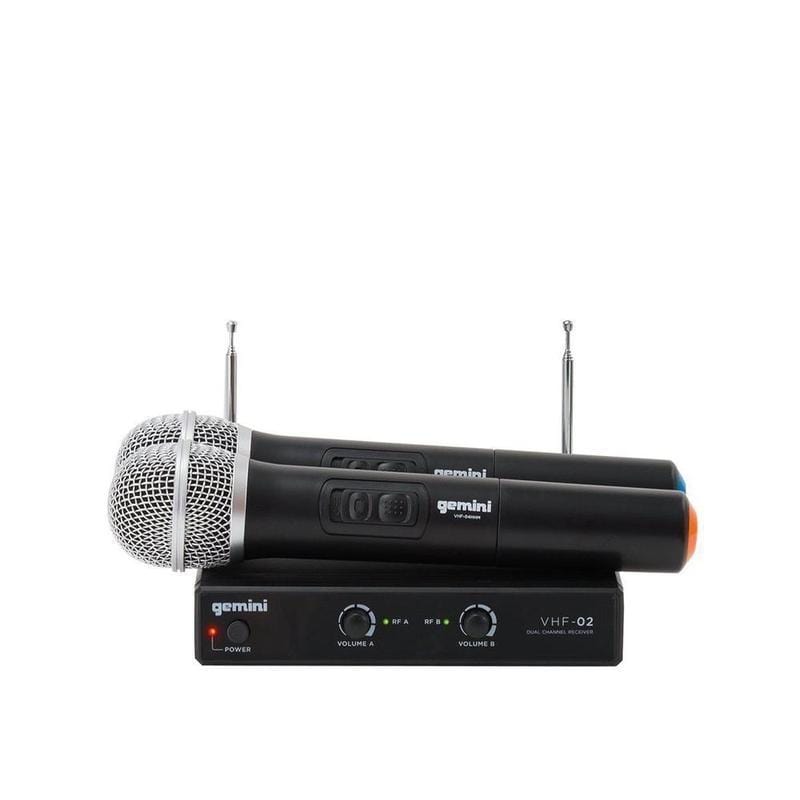
Gemini Sound UHF-02M dual-channel wireless microphone system — 2 handheld mics, 150-ft range, dual volume controls
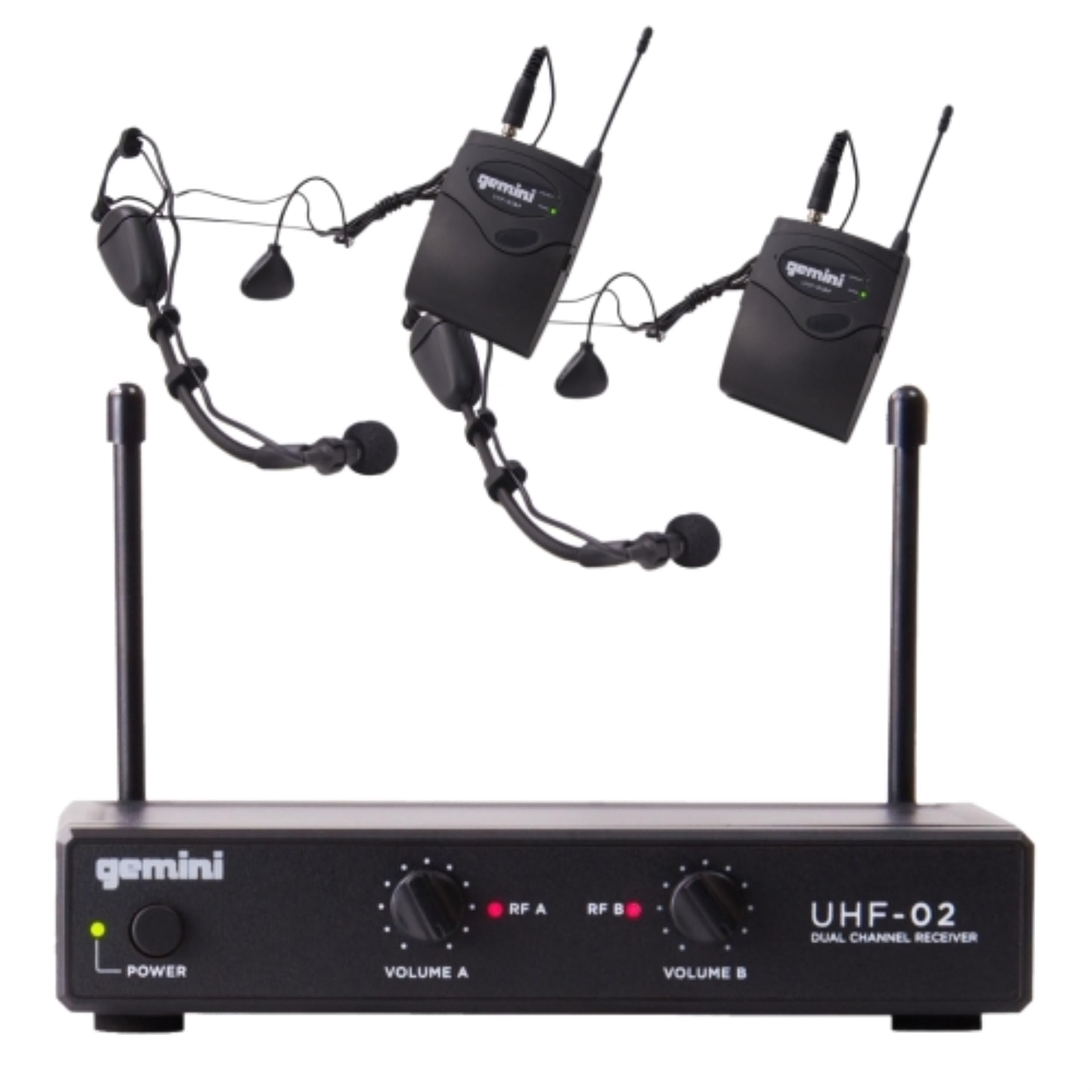
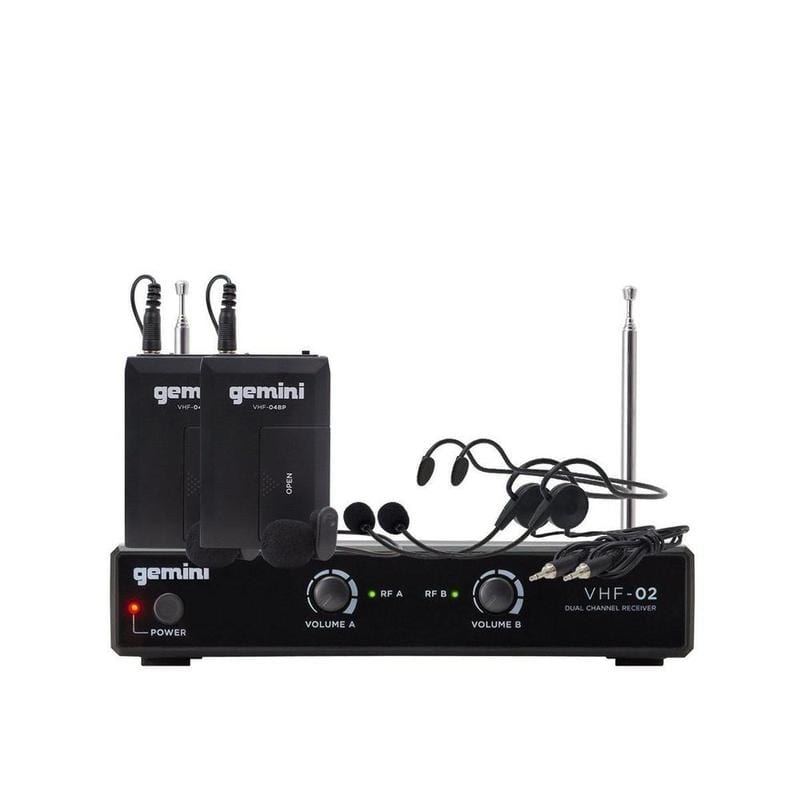
Gemini Sound UHF-02HL dual wireless headset and lavalier microphone system — 150 ft range, 2 receivers, 2 body packs
Gemini Sound UHF-04HL 4-channel UHF wireless microphone system — 4 headset/lavalier mics, 150 ft range, 60Hz–18kHz response
Gemini Sound UHF-6200HL dual wireless headset and lavalier microphone system — 240 ft range, 256 selectable frequencies, dual bodypacks
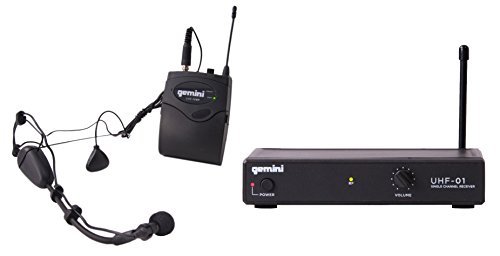
Gemini Sound UHF-01HL wireless headset and lavalier microphone system — 150 ft range, 4 selectable frequencies, 1/4" output
Gemini Sound UHF-6100HL UHF wireless headset microphone system — 240 ft range, 256 selectable frequencies, rack-mountable receiver
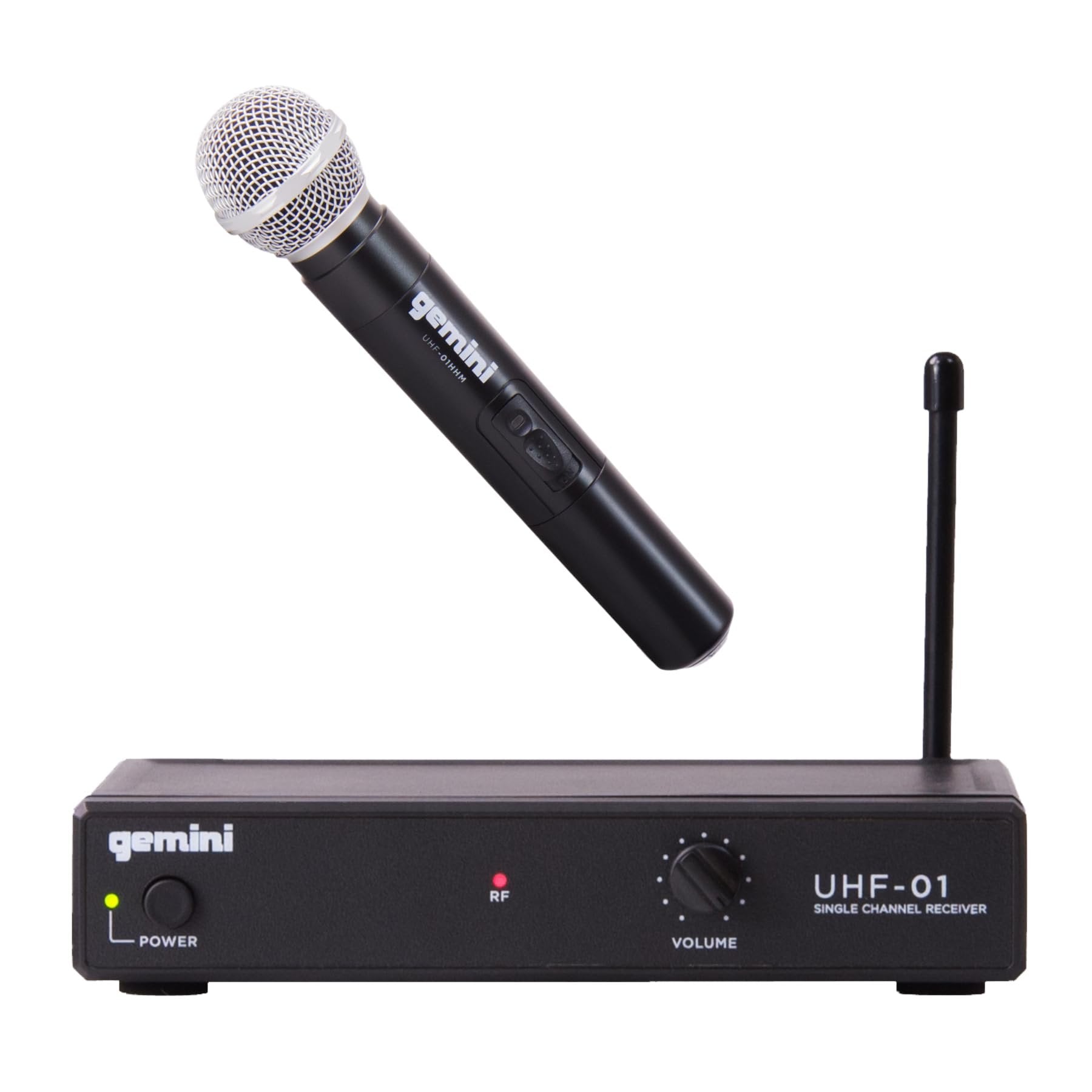
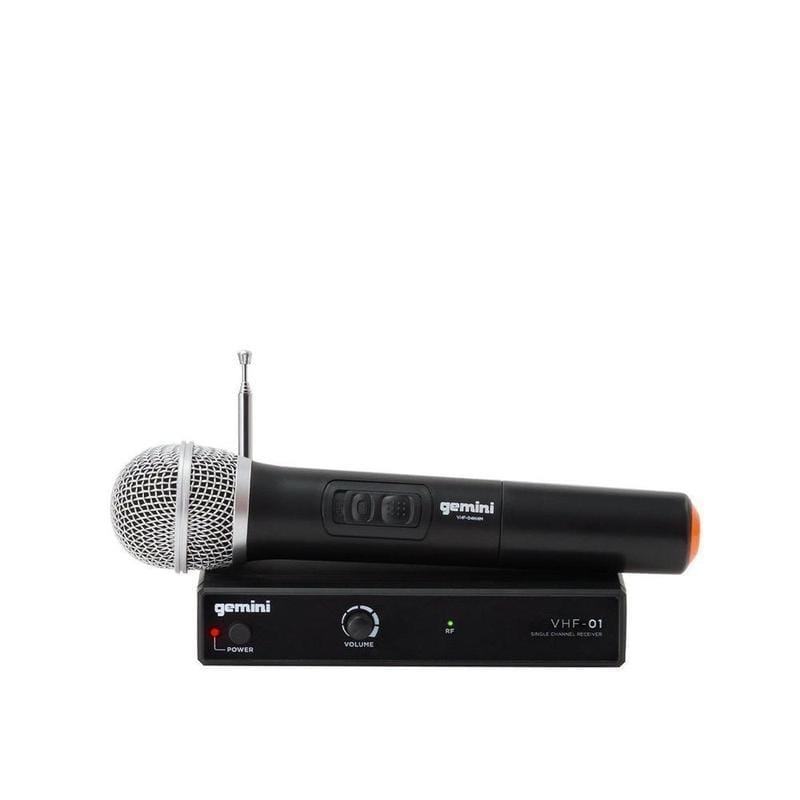
Gemini Sound UHF-01M wireless microphone system — 150 ft range, 533.7 MHz UHF, handheld dynamic mic
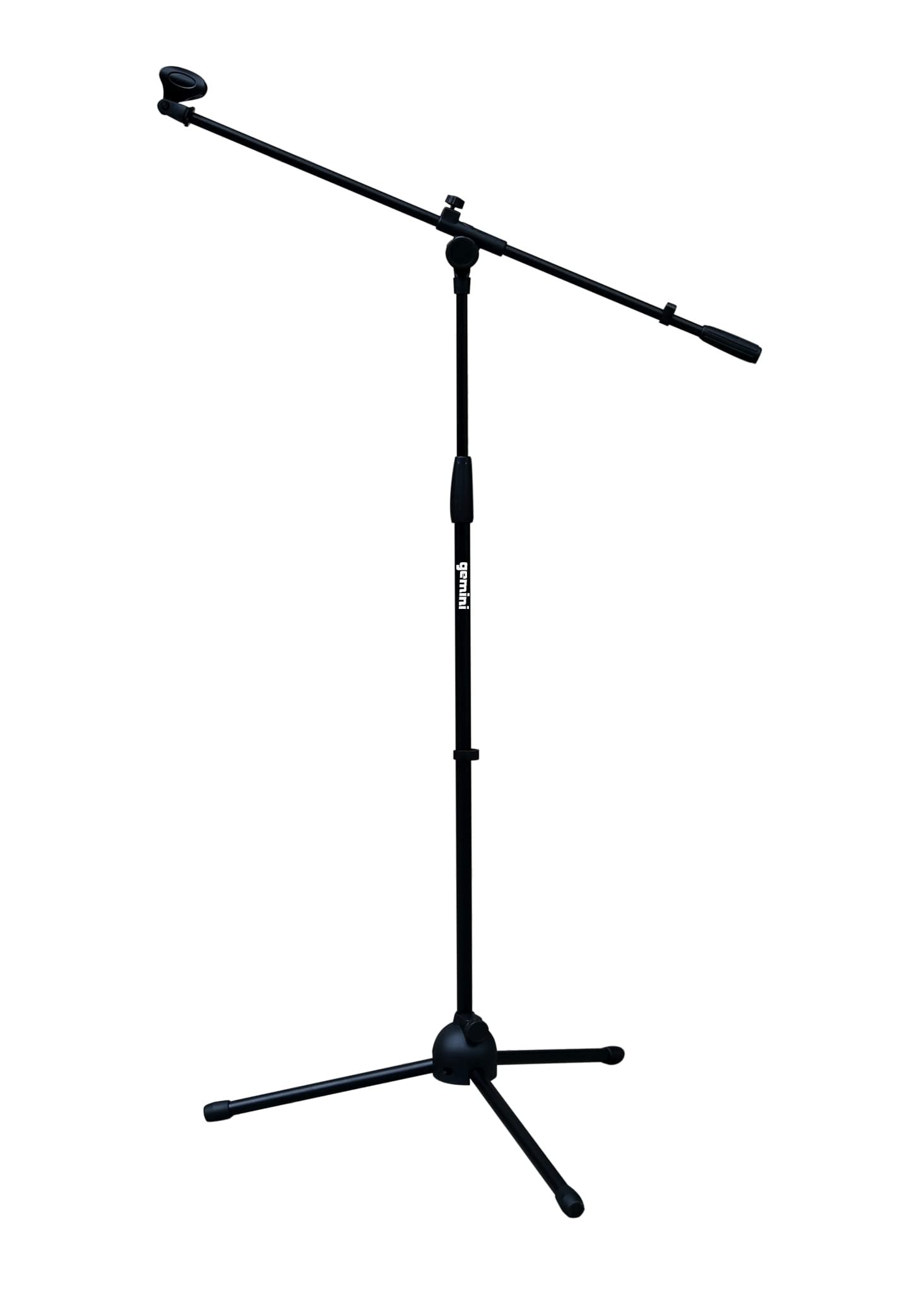
Gemini Sound MBST-01 adjustable tripod boom microphone stand — 42"–87" height, folding legs, mic clip included
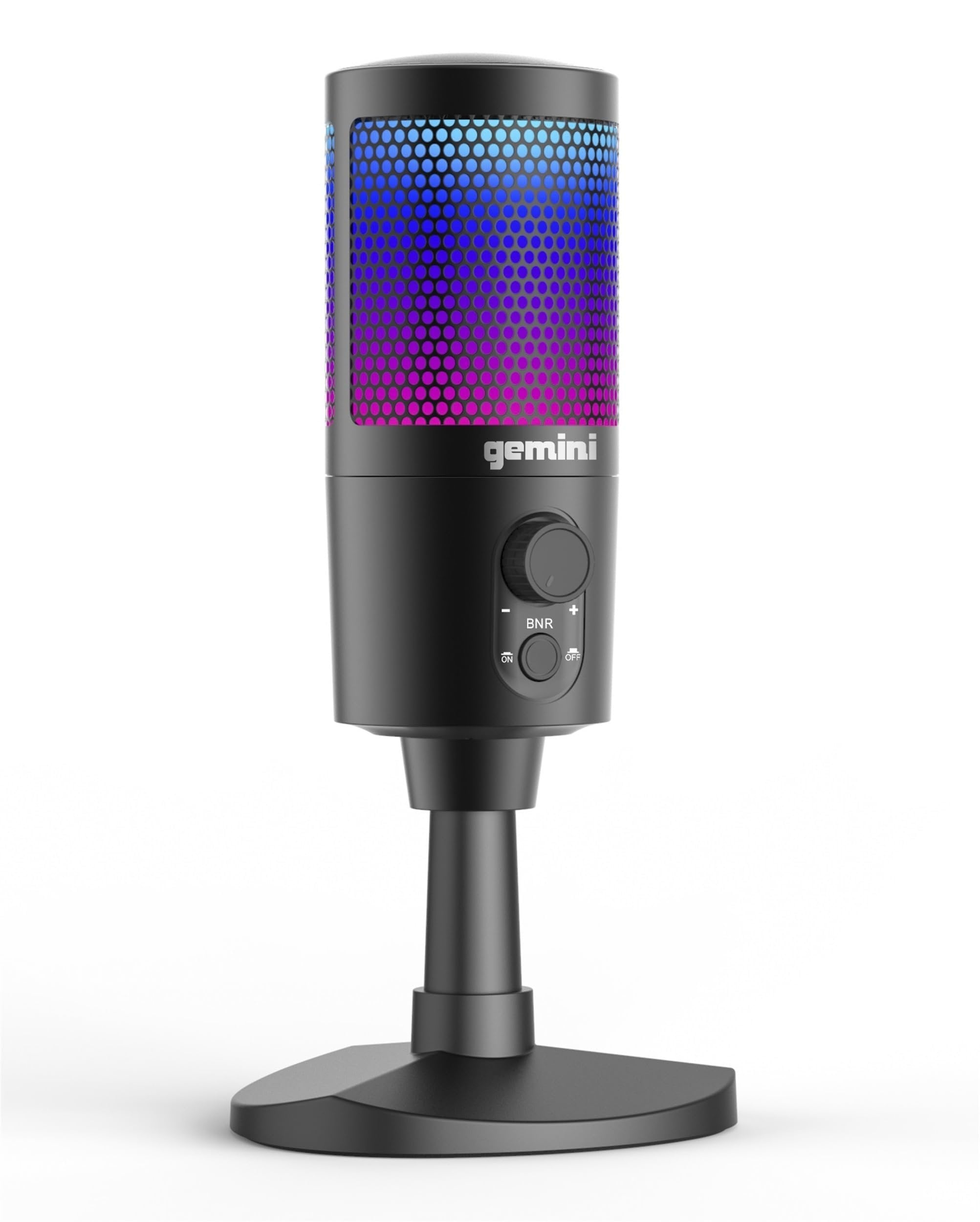
Gemini Sound GSM-100 USB condenser microphone for streaming and podcasting — cardioid pickup, RGB lighting, USB-C plug-and-play
Gemini Sound Wireless Systems & Accessories

Best Microphones for Content Creators and Podcasters

This collection features a curated mix of USB and XLR mics suited for content creators and podcasters. They deliver clear voice pickup, adjustable patterns, and easy setup for recording and streaming.

Key Takeaways

  • USB mics are the quickest path to ready-to-record content—just plug in and go.
  • Condenser mics offer detailed capture; dynamics are rugged for noisy environments.
  • Consider polar patterns for your recording (cardioid is standard for voice).
  • Pop filters and stands can dramatically improve voice quality and comfort.

What should you look for in a microphone?

Key factors include pickup pattern (cardioid, hyper-cardioid), sensitivity, frequency response, and whether it’s USB or XLR. Consider your room and recording distance to choose between condenser and dynamic designs.

How do you choose the right microphone for your content?

  • Identify your primary use (voice, podcast, streaming, or music).
  • Decide between USB for ease and XLR for upgrade paths and flexibility.
  • Check the mic’s polar pattern and proximity effect for voice clarity.
  • Complement with a pop filter, shock mount, and sturdy stand.

Frequently Asked Questions

Do you need an audio interface for USB microphones?

No—USB mics are plug-and-play on most computers. An audio interface is only needed if you want to upgrade to XLR mics for better control and future scalability.

What is the difference between dynamic and condenser mics?

Condenser mics capture more detail and require power; dynamic mics handle higher sound pressure and are resilient in untreated rooms.

Do I need a pop filter and mic stand?

Yes. A pop filter reduces plosives; a sturdy stand keeps the mic at a stable distance and improves recording consistency.

Are wireless mics good for content creators?

Wireless mics are convenient for mobility but may introduce latency and interference. Wired mics are typically more reliable for voice work.

How close should I speak to the microphone?

For most voice work, place the microphone 6-12 inches from your mouth, adjusting for proximity effect and tone.