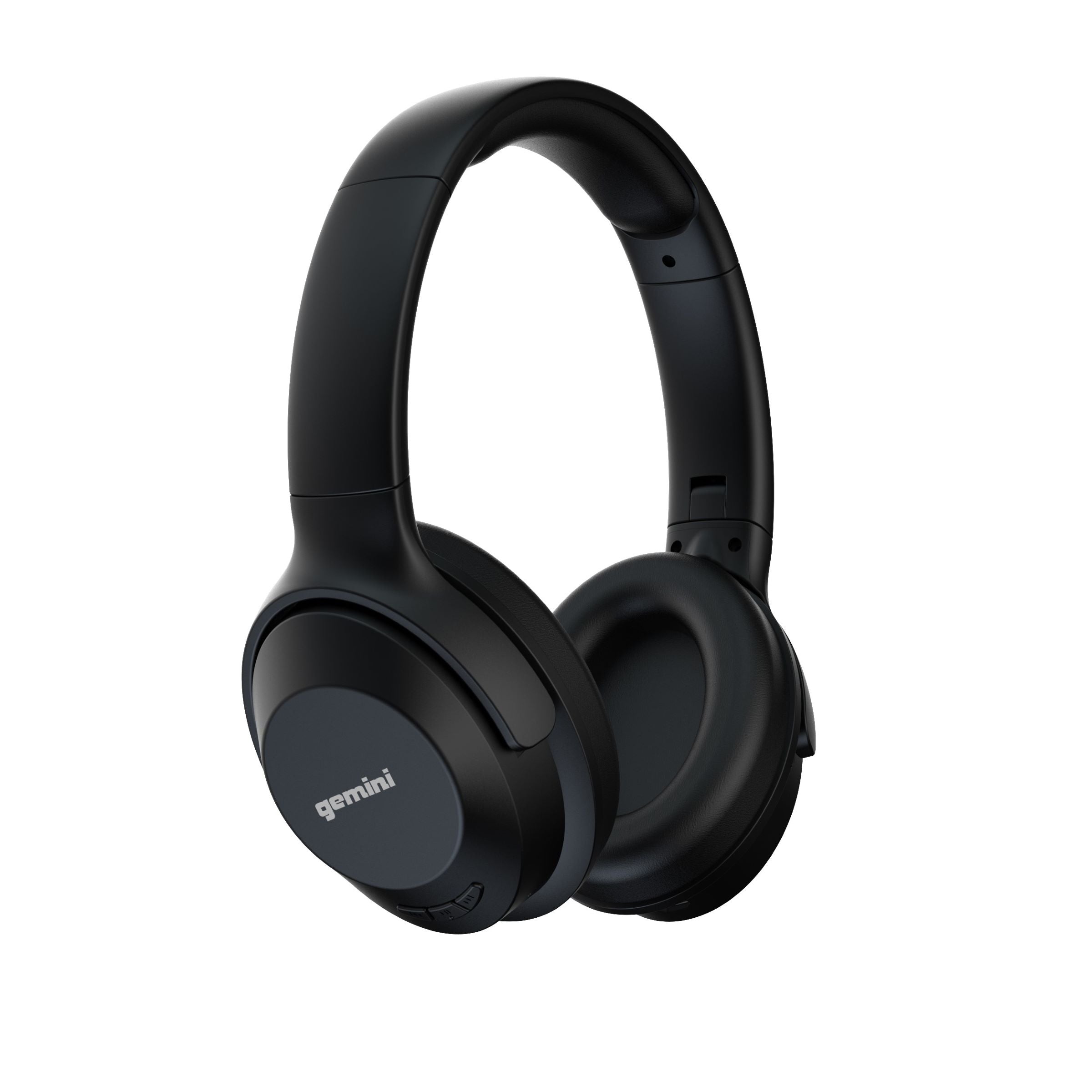
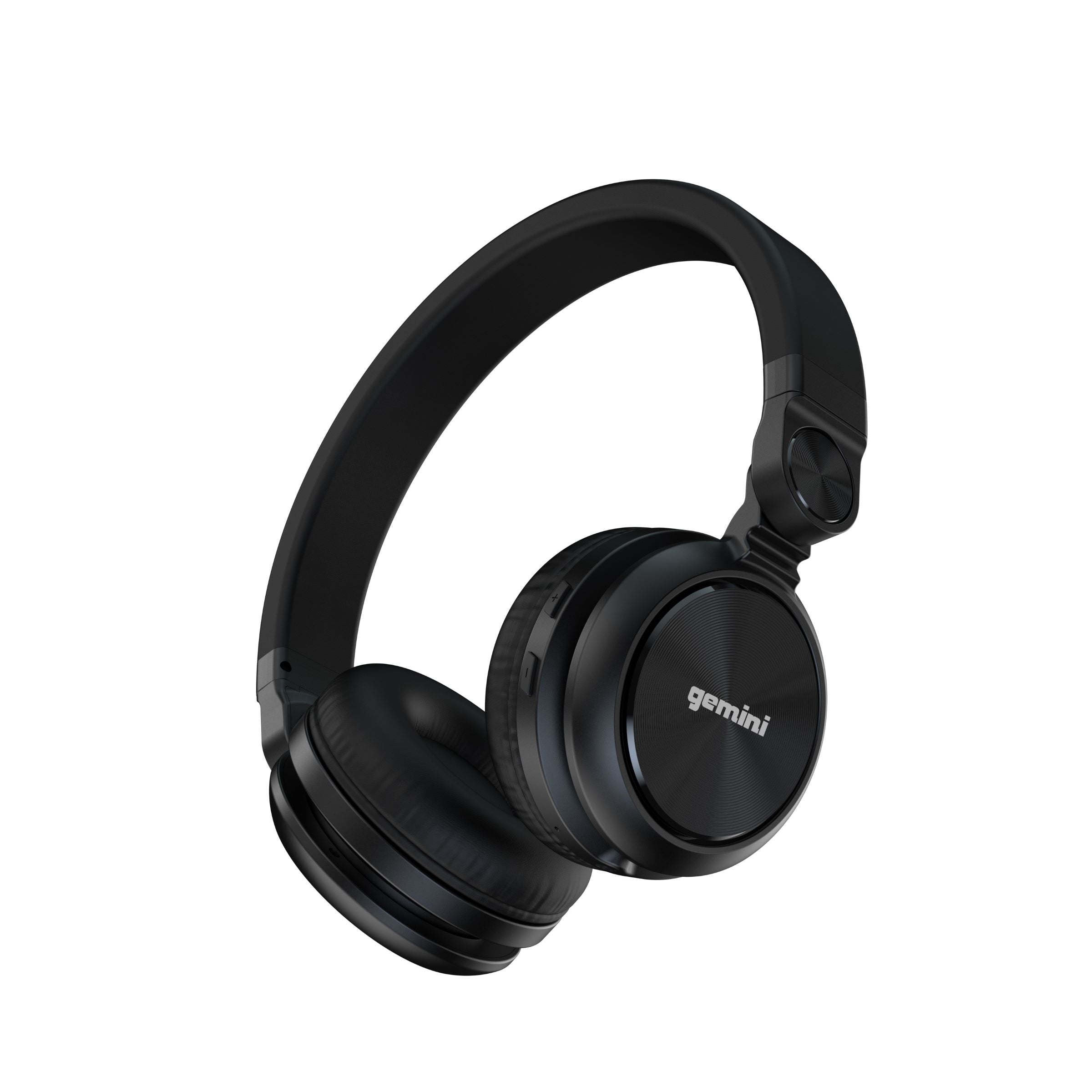
Best DJ Headphones for Live Events - Premium Audio Collection
Professional DJ headphones designed for live events represent the critical link between your artistic vision and flawless execution on stage. When you're performing in front of hundreds or thousands of people with thundering speakers and energetic crowds, your headphones must deliver uncompromising noise isolation, crystal-clear sound reproduction, and bulletproof reliability. This curated collection features professional-grade DJ headphones engineered specifically for the demanding environment of live performances, from intimate club sets to massive festival stages. Each model has been selected for its superior build quality, acoustic performance, and practical features that working DJs depend on night after night. Whether you're beatmatching tracks, cueing your next transition, or monitoring your mix in real-time, these headphones provide the accurate sound reproduction and comfortable fit essential for maintaining focus during extended sets. Discover headphones with powerful 50mm drivers that deliver the deep bass response needed for electronic music, noise-isolating designs that cut through ambient sound, and durable construction with replaceable components that withstand the rigors of professional use. From the balanced sound signature of the DJX-03 to the premium leather-cushioned comfort of the DJX-07, find the perfect headphones that will become your most trusted tool for delivering unforgettable performances.
Key Takeaways
- Professional DJ headphones need superior noise isolation to cut through crowd noise and monitor mixes accurately during live events
- Durability and comfort are essential for long sets - look for robust construction, swivel cups, and cushioned ear pads
- 50mm drivers or larger deliver the powerful bass response and clear highs needed for accurate beatmatching and cueing
- Coiled cables with locking connectors prevent disconnections during performance, while replaceable parts extend headphone lifespan
What should you look for in DJ headphones for live events?
When selecting DJ headphones for live events, prioritize noise isolation capabilities first and foremost. The chaotic environment of a live venue with blaring speakers and crowd noise demands headphones that can effectively block external sound, allowing you to hear your cue tracks clearly. Look for closed-back designs with thick, plush ear cushions that create a tight seal around your ears. Driver size matters significantly - professional DJ headphones typically feature 40mm to 50mm drivers that deliver powerful, accurate bass response essential for beatmatching. Durability is non-negotiable since live event headphones endure constant wear, frequent coiling and uncoiling, and occasional drops. Seek out headphones with reinforced headbands, metal hinges, and detachable cables. Comfort becomes critical during marathon sets lasting several hours; adjustable headbands, memory foam padding, and swiveling ear cups prevent fatigue. Finally, consider the cable design - coiled cables offer flexibility without tangling, while single-sided cables keep your workspace cleaner and reduce snagging risks.
How do you choose the right DJ headphones for your live performance needs?
- Assess your typical set length - longer performances require superior comfort with breathable ear cushions and adjustable pressure distribution to prevent listener fatigue
- Consider your mixing style - if you frequently one-ear monitor, ensure the ear cups rotate 90 degrees and swivel freely for comfortable shoulder positioning
- Evaluate venue size and sound levels - larger, louder venues demand maximum noise isolation (25dB+) and higher impedance headphones that can handle powerful amplifier outputs without distortion
- Check compatibility with your DJ equipment - verify impedance ratings match your mixer's headphone output (typically 32-64 ohms for DJ gear) for optimal volume and sound quality
- Prioritize build quality over price - investing in professional-grade headphones with replaceable parts (cables, ear pads, headbands) saves money long-term and ensures reliability during critical performances
- Test frequency response - look for models with emphasized low-end (20Hz-200Hz) and clear highs (8kHz-20kHz) to accurately hear kick drums and hi-hats for precise mixing
Frequently Asked Questions
What's the difference between DJ headphones and studio headphones for live events?
DJ headphones are specifically engineered for live performance environments, while studio headphones are designed for critical listening in controlled settings. DJ headphones feature enhanced durability with reinforced construction, swiveling ear cups for one-ear monitoring, coiled cables that stretch without tangling, and boosted bass response for hearing kick drums in loud venues. They prioritize noise isolation over neutral sound reproduction. Studio headphones like the GBTX-500 offer flatter frequency response for accurate mixing and mastering but lack the rugged build, swivel mechanisms, and extreme isolation needed for live DJ work. While studio headphones excel in quiet production environments, DJ-specific models like the DJX-07 with 50mm drivers and leather cushioning are purpose-built to withstand the physical demands and acoustic challenges of live events.
Do I need wired or wireless headphones for DJ performances?
Wired headphones remain the professional standard for live DJ performances due to zero latency, unlimited runtime, and complete reliability. Even millisecond delays from Bluetooth transmission can disrupt beatmatching and throw off your timing during critical transitions. Wired models like the AL-2 and DJX-03 provide instant audio transmission essential for precise cueing. However, wireless headphones have their place in specific scenarios - they're excellent for mobile DJs setting up equipment, conducting sound checks while moving around the venue, or preparing playlists away from the booth. If considering wireless options like the GBTX-200 with 54-hour battery, use them for preparation and sound checking, but keep professional wired headphones as your primary performance tool. The risk of battery depletion, wireless interference, or connection drops during a live set makes wired headphones the only truly dependable choice for actual performance.
How important is noise isolation versus noise cancellation for DJ headphones?
Passive noise isolation is far more important than active noise cancellation (ANC) for DJ headphones used in live events. Noise isolation works through physical barriers - thick ear cushions, closed-back designs, and tight seals that mechanically block external sound. This passive approach introduces zero latency and requires no battery power, making it ideal for real-time monitoring. Quality DJ headphones like the AL-2 with noise isolating design can block 20-30dB of ambient sound through padding alone. Active noise cancellation, while excellent for travel or casual listening, creates slight audio delays as it processes and inverts incoming sound waves. This latency, even if just a few milliseconds, is unacceptable when beatmatching requires split-second precision. Additionally, ANC systems can struggle with the extremely high sound pressure levels found near DJ booth monitors. For live events, choose headphones emphasizing passive isolation through superior ear cup design and cushioning materials rather than electronic noise cancellation features.
What impedance rating should I look for in DJ headphones?
For DJ headphones used with standard club mixers and DJ controllers, look for impedance ratings between 32 and 64 ohms. This range provides the optimal balance between volume capability and power efficiency for typical DJ equipment. Headphones in this impedance range, like most professional DJ models including the DJX-07, can be driven to high volumes by the headphone amplifiers built into DJ mixers without requiring excessive power. Lower impedance (16-32 ohms) headphones may distort when pushed to high volumes on powerful mixer outputs, while higher impedance (80+ ohms) models designed for audiophile or studio use may not achieve sufficient volume from DJ gear. The 32-64 ohm sweet spot ensures you'll have plenty of headroom for loud monitoring in noisy environments without straining your mixer's amplifier. If you're using professional audio interfaces or dedicated headphone amplifiers, higher impedance options become viable, but for standard DJ setups, stick with the 32-64 ohm range for guaranteed compatibility and performance.
How often should I replace ear pads on my DJ headphones?
Replace ear pads on your DJ headphones every 6-12 months with regular use, or sooner if you notice deterioration in comfort, noise isolation, or hygiene. DJs performing multiple times weekly should inspect ear pads monthly for signs of wear including compressed foam that no longer springs back, cracked or flaking leather/pleather, or visible dirt accumulation that doesn't clean away. Worn ear pads significantly compromise noise isolation - even small gaps caused by compressed cushioning can allow substantial ambient noise to leak in, making it difficult to hear cue tracks clearly. Beyond performance issues, ear pad degradation affects hygiene, potentially causing skin irritation or transferring bacteria during long sets. Professional models like the DJX-07 with leather cushioning often feature replaceable ear pads specifically for this reason. Keep spare ear pads in your equipment case and establish a replacement schedule based on your performance frequency. Fresh ear pads restore like-new comfort and isolation, extending your headphones' effective lifespan and maintaining consistent audio quality across all your performances.
Sources
- Best DJ Headphones 2025: High-End, Modular, Wireless, Budget… — www.digitaldjtips.com
- Best DJ headphones 2025: Booth-ready choices from budget to pro-level — www.musicradar.com
- Best Headphones For DJs 2025 (Chosen By DJs) + Gear Giveaway! — www.youtube.com
- — www.reddit.com
- The Best-Selling Studio Headphones of 2025: The Top 10! - gearnews.com — www.gearnews.com