Skip to content

Cart

Your cart is empty

Best DJ Equipment for Mobile DJs - Professional Mobile DJ Gear

Sort by

2 products

Filters

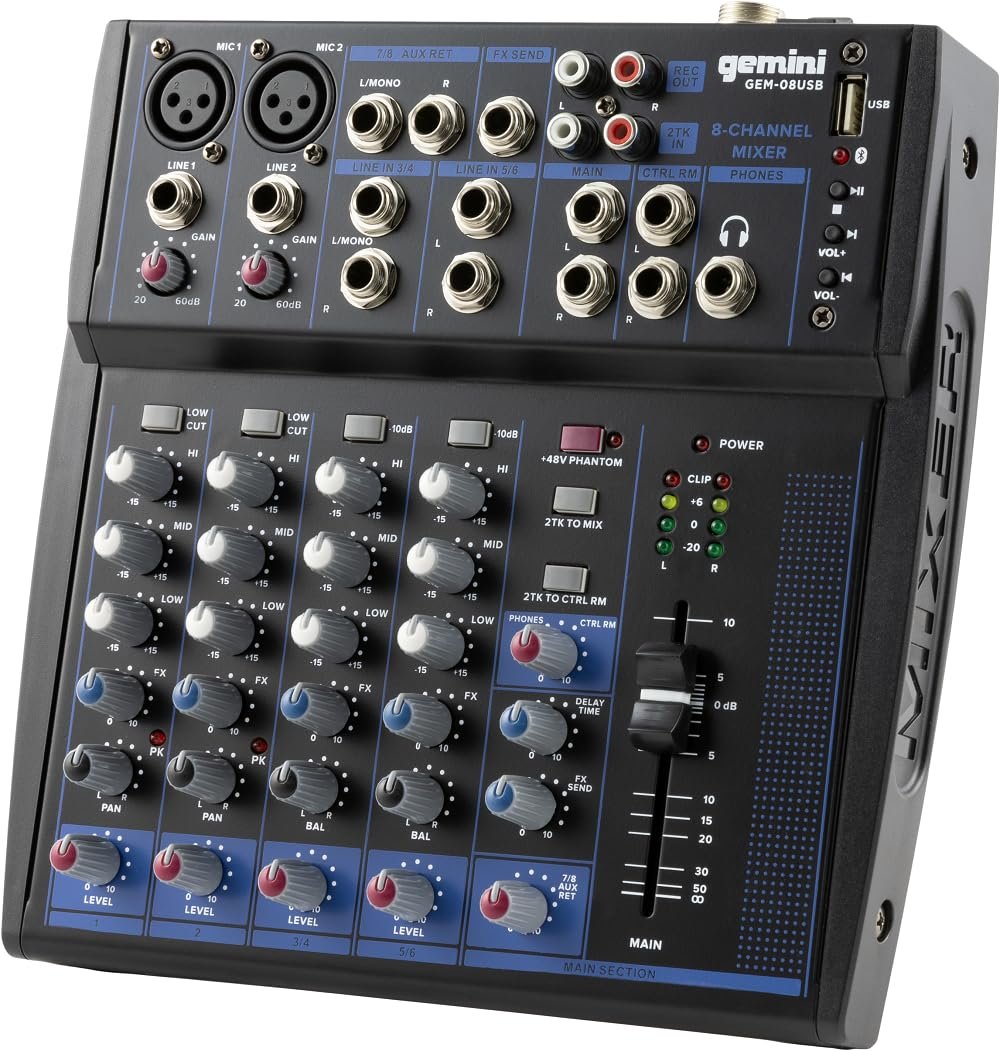
GEM-08USB Professional 8-Channel Bluetooth Audio Mixer
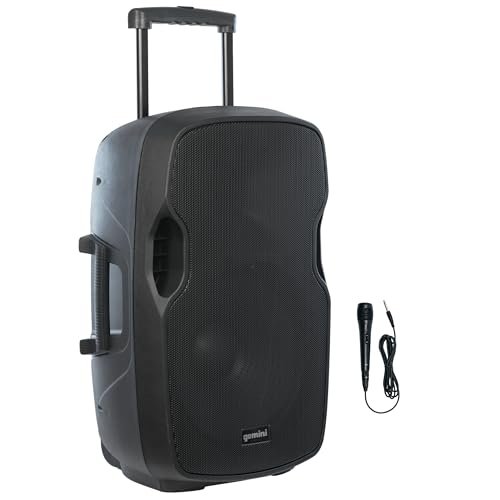
Gemini AS-15TOGO 15" Portable Bluetooth Speaker with Wheels

Best DJ Equipment for Mobile DJs - Professional Mobile DJ Gear

Mobile DJs need reliable, portable equipment that delivers professional sound quality while being easy to transport between venues. Whether you're performing at weddings, corporate events, parties, or club nights, having the right gear makes the difference between a good performance and a great one. This collection features essential mobile DJ equipment carefully selected for portability, power, and versatility. From professional PA speaker systems with 2000W output and built-in Bluetooth connectivity to multi-channel mixers that handle multiple audio sources, every product is designed to meet the demanding needs of mobile entertainers. Our portable Bluetooth speakers come with convenient wheels for easy transport, while LED lighting effects add visual excitement without requiring separate lighting rigs. Professional DJ headphones with 50mm drivers ensure accurate monitoring, and our dual speaker packages provide the coverage needed for venues of all sizes. Whether you're just starting your mobile DJ business or upgrading your existing setup, this collection provides everything you need to deliver exceptional sound quality and memorable experiences at every event.

Key Takeaways

  • Mobile DJs need portable, durable equipment with Bluetooth connectivity and powerful sound output for venues of all sizes
  • Professional PA speaker systems with 2000W output provide the volume and clarity needed for weddings, parties, and corporate events
  • 8-channel mixers with USB and Bluetooth capabilities offer versatility for multiple audio sources and wireless device connectivity
  • Portable speakers with wheels, LED lighting effects, and battery options make setup faster and performances more visually engaging

What should you look for in mobile DJ equipment?

When selecting mobile DJ equipment, prioritize portability, durability, and versatility. Look for speakers with built-in wheels or handles for easy transport, as you'll be moving equipment frequently between venues. Power output is crucial—aim for at least 500W per speaker for small to medium venues, and 2000W systems for larger events. Bluetooth connectivity is essential for modern mobile DJs, allowing seamless wireless playback from smartphones, tablets, and laptops. Consider equipment with multiple input options including USB, XLR, and RCA to accommodate various audio sources. LED lighting effects can add visual appeal without requiring separate lighting equipment. Battery-powered options provide flexibility for outdoor events or venues with limited power access. Finally, ensure your mixer has enough channels (8+ recommended) to handle microphones, music sources, and backup devices simultaneously.

How do you choose the right PA speaker system for mobile DJ gigs?

  • Match power output to venue size: 500W for intimate gatherings (50-100 people), 1000W for medium events (100-200 people), and 2000W for large venues (200+ people)
  • Consider portability features like built-in wheels, retractable handles, and lightweight construction for easier load-in and setup
  • Evaluate speaker configuration: dual 15" systems provide fuller bass response and better sound distribution for larger spaces
  • Look for active/passive package options that give flexibility in system configuration and allow for future expansion
  • Check for built-in LED lighting to enhance visual appeal and reduce the need for separate lighting equipment
  • Verify Bluetooth connectivity for wireless music streaming and backup playback options during events

Frequently Asked Questions

What does a mobile DJ need?
A mobile DJ needs a complete portable sound system including: a professional PA speaker system (typically dual speakers with 1000-2000W total output), a multi-channel mixer with Bluetooth and USB connectivity for versatile audio input, quality DJ headphones with 50mm drivers for accurate monitoring, microphones for announcements and MC duties, all necessary cables (XLR, RCA, power), speaker stands for optimal sound projection, and a laptop or controller for music playback. Additional essentials include backup equipment, a lighting system (or speakers with built-in LED lights), a portable table or DJ booth, and a reliable way to transport everything—many mobile DJs invest in speakers with wheels and protective cases. Professional mobile DJs also carry backup cables, adapters, and a secondary music source in case of technical issues.
What is the best portable DJ controller?
The best portable DJ controller depends on your specific needs and software preferences, but key features to look for include: compact size (typically 2-channel controllers under 15 pounds), built-in audio interface for direct connection to speakers, compatibility with major DJ software (Serato, Traktor, rekordbox), touch-sensitive jog wheels for accurate scratching and cueing, dedicated filter and FX controls, and USB bus power so you don't need a separate power supply. Popular options include controllers with integrated sound cards, pad performance modes for hot cues and samples, and durable metal construction for frequent transport. For mobile DJs, controllers that work seamlessly with streaming services and have library management features are particularly valuable. Pair your controller with a professional mixer like an 8-channel Bluetooth mixer for maximum flexibility in handling multiple audio sources at events.
What is the rule of 32 in DJing?
The rule of 32 in DJing refers to the standard song structure where most electronic dance music and popular songs are organized in 32-beat phrases (or 8-bar phrases, since each bar contains 4 beats). This means significant changes in a song—like when a breakdown ends, a drop happens, or a new element is introduced—typically occur every 32 beats. Mobile DJs use this rule for seamless mixing and transitions: by counting in 32-beat increments, you can predict when to start your mix, when to bring in the next track, and when major transitions will occur. This is especially important for beatmatching and harmonic mixing. For mobile DJs performing at weddings and parties, understanding the rule of 32 helps you mix smoothly between different genres and energy levels, ensuring your transitions sound professional even when moving from hip-hop to pop to dance music. It's a foundational skill that makes your sets flow naturally.
Is $100 an hour good for a DJ?
$100 per hour can be a good rate for mobile DJs depending on experience level, location, and event type. Beginning mobile DJs often charge $75-150 per hour, while experienced professionals typically command $150-300+ per hour. However, most mobile DJ gigs aren't priced hourly—they're package-based. A typical 4-hour wedding reception might range from $800-2,000+, effectively $200-500 per hour when you factor in only performance time. But remember, mobile DJs spend significant time on consultation, music preparation, equipment loading/unloading, travel, and setup—often 3-4 additional hours per gig. When calculated against total time invested, $100/hour performance rate might translate to $40-50/hour actual earnings. Geographic location matters significantly: DJs in major metropolitan areas charge more than those in rural markets. Consider your equipment investment, insurance, licensing fees, and expertise when setting rates. As you build your reputation and invest in quality equipment like professional PA systems and lighting, you can justify premium pricing.
How much speaker power do I need for mobile DJ events?
Mobile DJs should calculate speaker power based on venue size and audience count. A general rule is 10 watts per person for indoor events and 15-20 watts per person for outdoor events where sound dissipates more quickly. For a typical indoor wedding with 150 guests, you'd need approximately 1,500W total (two 750W+ speakers). Small house parties (50 people) work well with 500W total power, while large events (300+ people) require 3,000W or more. Consider the venue acoustics too—carpeted rooms with curtains absorb sound and need more power than hard-surfaced spaces. A dual 15" PA speaker system with 2000W total output provides excellent versatility, handling everything from intimate gatherings to large receptions. For maximum flexibility, choose active/passive speaker packages that let you add more speakers as needed. Always bring more power than you think necessary—it's better to run speakers at 70% capacity for cleaner sound than to push them to distortion at maximum volume.

Sources

  • The Ultimate Guide to the Best DJ Setups in 2025 for any Budget! — wearecrossfader.co.uk
  • The 7 Best DJ Controllers For 2025 — www.digitaldjtips.com
  • 5 DJ Set-ups We Recommend For 2026 // Beginner DJ Guide — www.youtube.com
  • Best DJ Equipment For 2025: Our Top Picks & Buying Guide | ZIPDJ — www.zipdj.com
  • Beginner DJ’s Buyer Guide (Global) — dancemusicinitiative.org